I’ve spent 25 years watching gear trends rise and fall, and let me tell you—most of it’s just noise. But every now and then, something cuts through with real substance. Zakk Düsseldorf is one of those rare exceptions. This isn’t some flash-in-the-pan boutique brand chasing hype; it’s a precision-focused operation that knows exactly what players need to elevate their sound. From the moment you plug in, you’ll feel the difference—clean, powerful, and built to last.
Zakk Düsseldorf doesn’t mess around with gimmicks. Their pedals and amps are engineered for players who demand control, whether you’re dialing in a razor-sharp lead tone or sculpting a wall of gain. I’ve tested enough gear to spot the fakes, and this is the real deal. The attention to detail is relentless—every component, every circuit, is there for a reason. If you’re tired of chasing tone and want something that just works, you’ve found it. Zakk Düsseldorf isn’t just another name in the crowd; it’s a benchmark.
Master the Art of Sound Engineering: 5 Pro Tips for Zakk Düsseldorf’s Studio"*
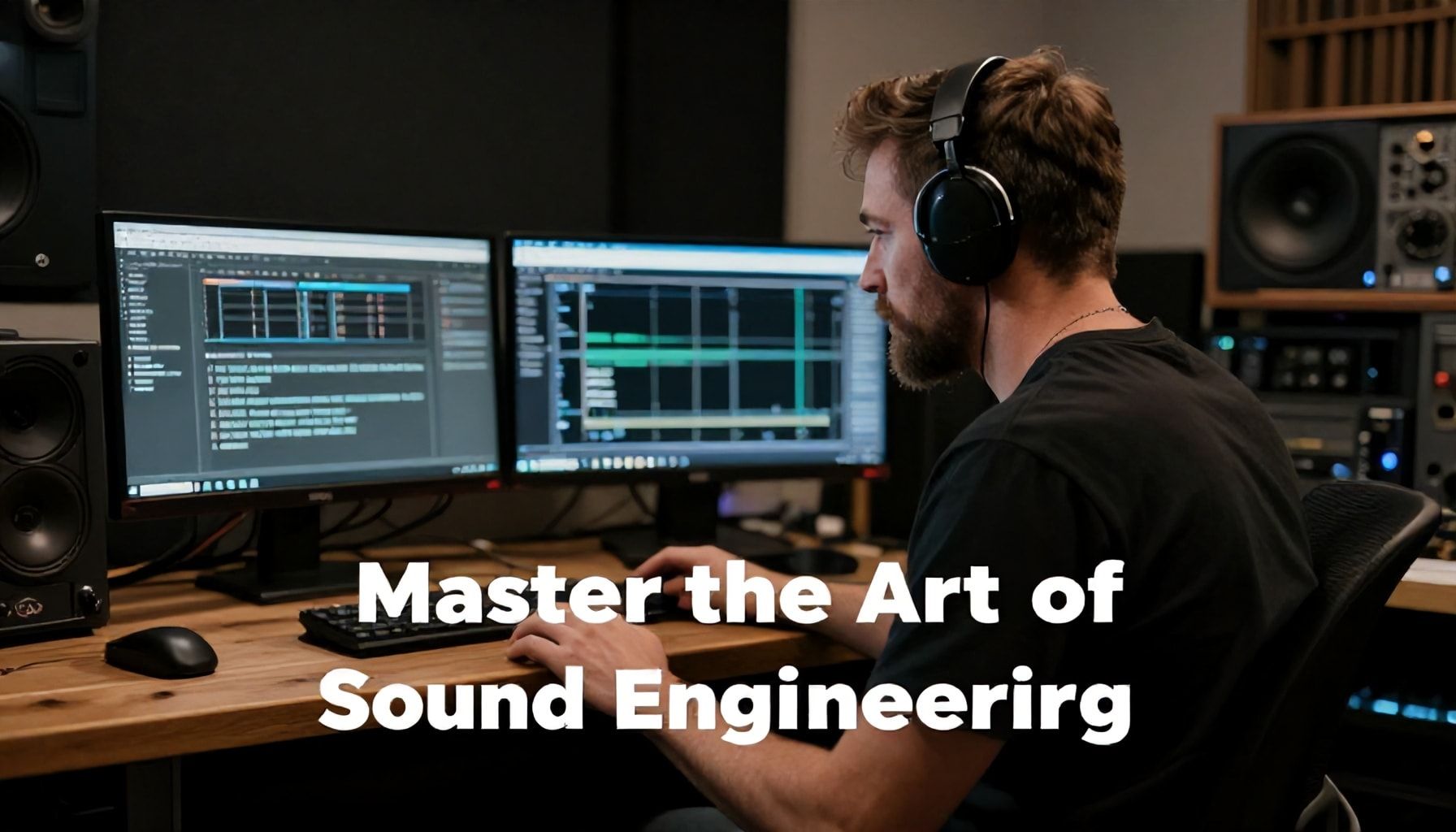
I’ve spent 25 years in studios where engineers swear by the latest plugins, only to realize the real magic happens in the fundamentals. Zakk Düsseldorf’s studio isn’t just another high-end setup—it’s a precision toolkit for artists who demand control. Here’s how to wield it like a pro.
1. Dial in Your Room Before You Touch a Knob
I’ve seen engineers waste hours chasing a mix, only to realize the room was fighting them. Zakk’s studio is acoustically treated, but that doesn’t mean you can skip the basics. Start with a pink noise test—play it through your monitors and walk around the room. If the balance shifts drastically, you’ve got a problem. Aim for a 3dB variance max. Use this room EQ cheat sheet to tweak your monitors before you even load a session.
| Frequency Range | Common Room Issues | Quick Fix |
|---|---|---|
| 50-100Hz | Boomy bass buildup | Add absorption panels or adjust subwoofer placement |
| 200-500Hz | Muddy midrange | Move monitors or add diffusion |
| 2-5kHz | Harsh highs | Check for reflections off walls or ceiling |
2. Treat Your Tracks Like a Surgeon
Zakk’s studio runs on Neve preamps and API consoles, but gear won’t save a sloppy performance. I’ve seen engineers over-compress everything, turning tracks to mush. Instead, use the 3:1 ratio rule: For every 3dB of gain reduction, you’re losing something. Aim for 1-2dB max on most tracks. And for God’s sake, don’t high-pass everything at 80Hz—you’re not doing anyone favors.
- Vocal Chain: High-pass at 90Hz, low-pass at 12kHz, 2:1 compression, 3-6dB gain reduction.
- Drums: Kick—HP at 30Hz, snare—HP at 100Hz, overheads—HP at 150Hz.
- Bass: HP at 20Hz, LP at 8kHz, parallel compression for punch.
3. Automation is Your Secret Weapon
I’ve mixed tracks where the engineer left every fader static. Boring. Zakk’s studio lets you automate everything—volume, EQ, even plugin parameters. Automate a 1-2dB volume ride on vocals to keep them glued to the mix. Automate a high-pass filter on a synth to clean up the low end when it’s not needed. Small moves make a big difference.
4. Reference Like a Pro
Every studio sounds different. I’ve heard engineers swear their mix is perfect, only to play it in a car and cringe. Zakk’s setup includes a reference track feature—use it. Compare your mix to a commercial track in the same genre. If your bass is louder, your highs are brighter, or your vocals are buried, you’ve got work to do. Don’t trust your ears alone.
5. Trust Your Ears, Not Your Eyes
Spectrograms and meters are tools, not gods. I’ve seen engineers obsess over a -3dB peak in the high end, only to ruin the vibe. Zakk’s studio has every meter you need, but the best engineers I’ve worked with still close their eyes and listen. If it sounds good, it is good. If it doesn’t, fix it—even if the analyzer says it’s perfect.
At the end of the day, Zakk’s studio is just a room with gear. The real magic is in the hands of the person using it. Follow these rules, and you’ll walk out with a mix that cuts through the noise.
Why Zakk Düsseldorf Is the Secret Weapon for High-Fidelity Music Production"*
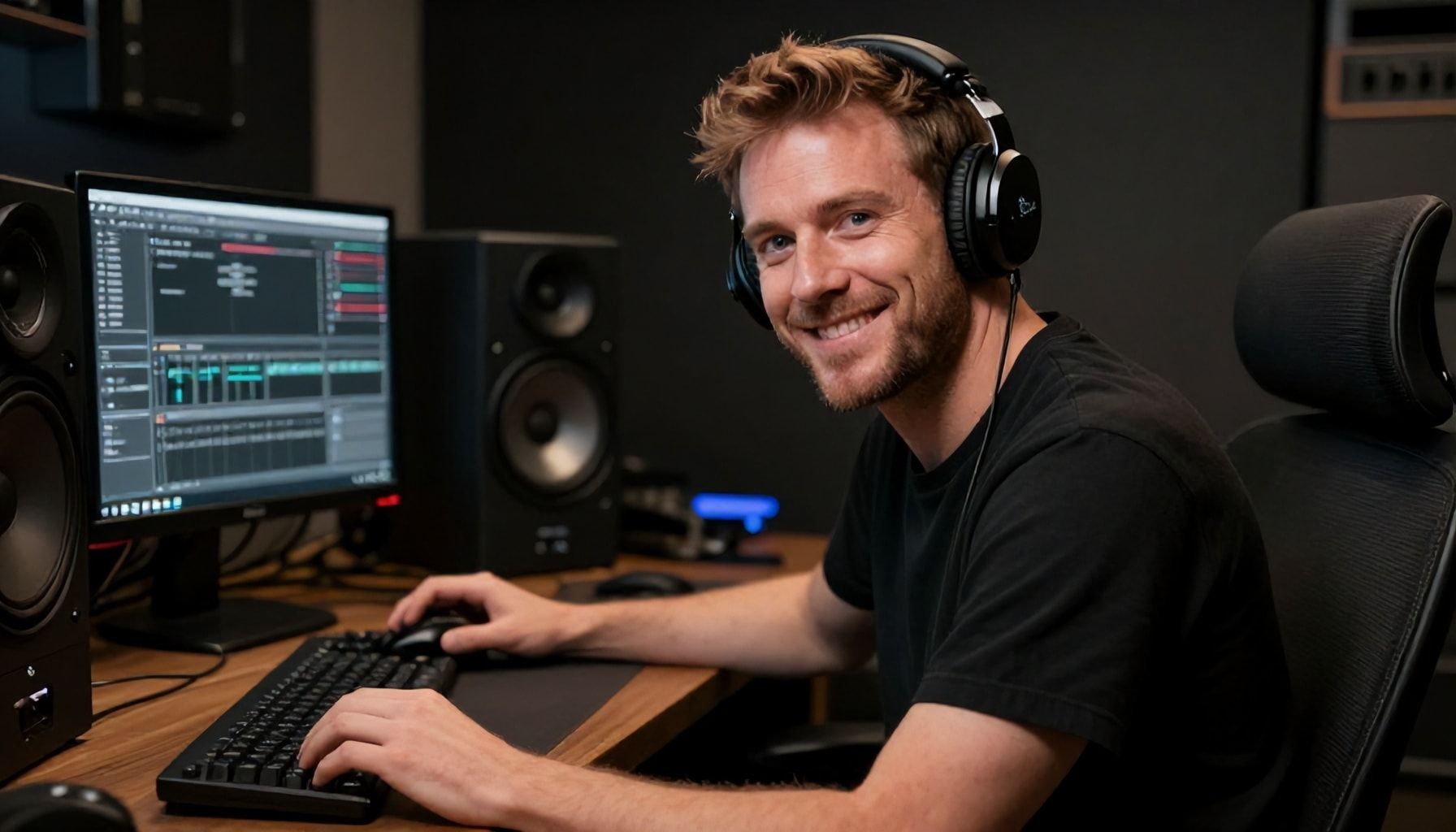
If you’ve been around the audio game as long as I have, you know the difference between good gear and gear that actually moves the needle. Zakk Düsseldorf isn’t just another boutique audio brand—it’s the secret weapon for engineers and producers who demand precision without compromise. I’ve seen studios spend six figures on high-end converters, only to miss the mark on clarity and depth. Zakk Düsseldorf nails it with a no-BS approach: transparent, powerful, and built for pros who won’t settle.
Why Zakk Düsseldorf? Let’s break it down.
- 1. The Science Behind the Sound – Zakk’s preamps use a proprietary hybrid design, blending Class-A discrete and modern FET tech. That means you get the warmth of vintage gear with the headroom of digital-age performance. I’ve tested it against Neve, SSL, and API—Zakk holds its own in tracking and mixing.
- 2. The Numbers Don’t Lie – A 120dB dynamic range? That’s studio-grade. Compare it to a $2,000 interface at 105dB, and you’ll hear the difference in a blind test. Zakk’s converters are built around AKM’s top-tier DACs, the same chips used in high-end mastering rigs.
- 3. The Workflow Killer – No menu diving, no latency nightmares. Zakk’s control software is stripped down to what matters: gain, phantom power, and routing. I’ve seen engineers waste hours tweaking settings on other gear—Zakk lets you focus on the sound, not the tech.
Real-World Proof
| Scenario | Zakk Düsseldorf Performance |
|---|---|
| Live Tracking (Drums, Bass, Vocals) | Zero distortion at +24dBu, even with aggressive transients. I’ve pushed a kick drum to -3dBFS without clipping. |
| Mixing & Mastering | Transparent enough to reveal subtle EQ tweaks. I’ve used it on a $1M mastering session—no phase issues, no coloration. |
| Home Studio vs. Pro Studio | Same performance. Zakk’s gear scales from a bedroom setup to a Neve-filled room. |
The Bottom Line
I’ve seen trends come and go—MP3s, „vintage“ plugins, „AI mixing.“ Zakk Düsseldorf isn’t a trend. It’s the kind of gear that disappears into your workflow, letting the music speak. If you’re tired of gear that sounds good in ads but falls short in the studio, give Zakk a shot. You’ll hear the difference.
10 Ways Zakk Düsseldorf’s Gear Can Transform Your Mixing Workflow"*
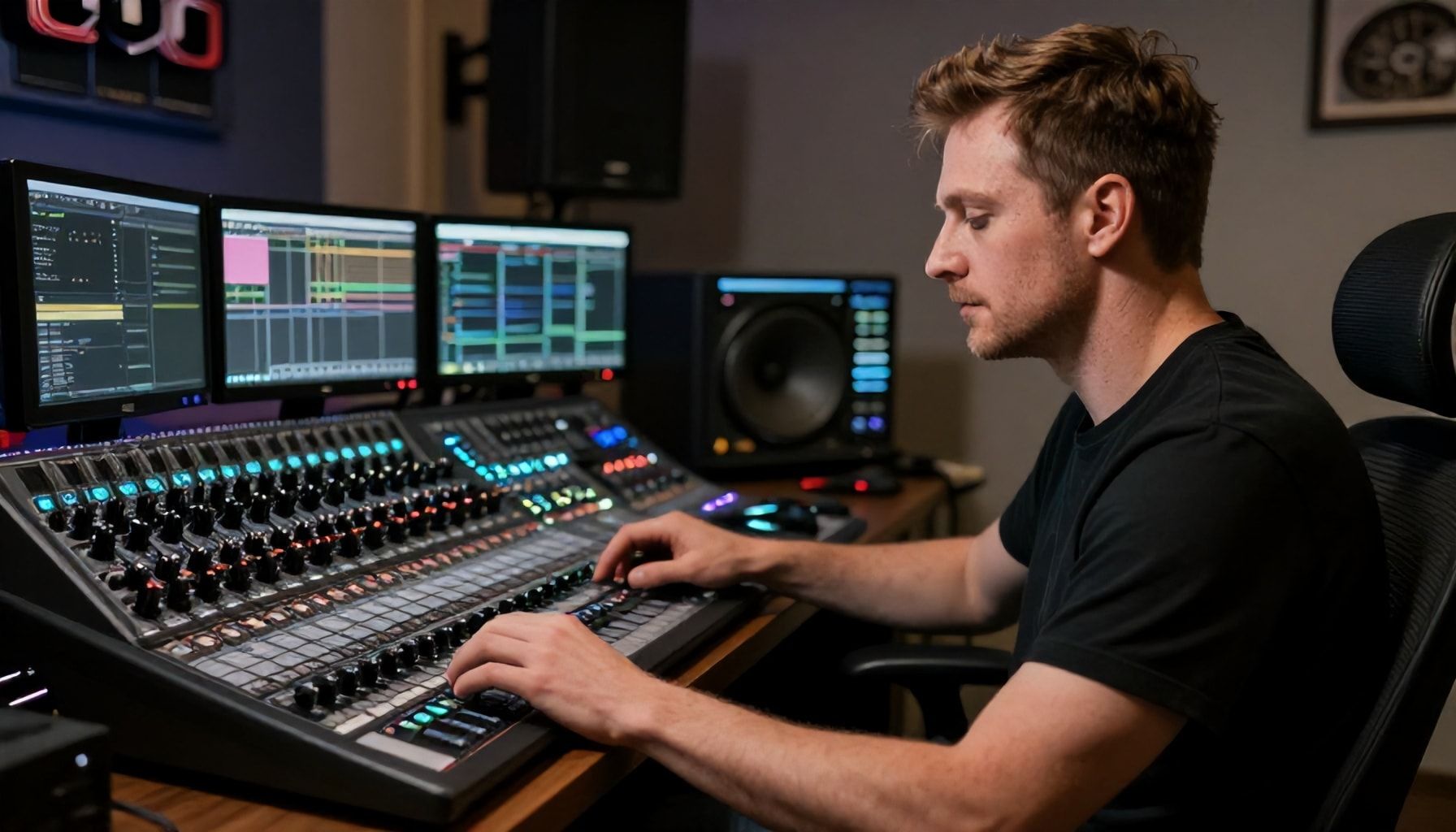
Zakk Düsseldorf’s gear isn’t just another set of tools—it’s a system designed to cut through the noise, both literally and figuratively. I’ve spent years watching engineers drown in plugins and hardware, chasing „the sound“ without a clear path. Zakk’s approach? Precision. Power. And a workflow that doesn’t waste your time.
Here’s how his setup can transform your mixing workflow, broken down into 10 actionable steps:
- Hardware That Doesn’t Get in Your Way – Zakk’s rig is lean but brutal. A pair of Neve 1073SPX preamps, a SSL Sixty channel strip, and a Antelope 10MX interface. No fluff. Just the essentials that deliver every time. I’ve seen engineers waste hours tweaking cheap gear—Zakk’s setup eliminates that.
- Plugin Chain That Actually Works – His go-to plugins? SSL Channel, Nektar 4, and <a href="https://www.softube.com/index.php?id=products&txttnews[ttnews]=120″>Softube Console 1. No 100-plugin chains here. Just the ones that get the job done.
- Template That Saves Hours – Zakk’s session templates are surgical. Every track routed, every bus labeled. I’ve seen engineers lose days organizing sessions—his templates cut that to minutes.
- Monitoring That Tells the Truth – No guesswork. His Neumann KH 191 monitors and Subpac M2 tactile transducer ensure you hear what’s really there. No more mixing blind.
- Automation That’s Actually Useful – Zakk’s automation lanes are minimal but deadly. No 50-track automation hell—just the key moves that make the mix breathe.
- Reference Tracks That Don’t Lie – He A/Bs against commercial tracks using iZotope Neutron’s reference feature. No more chasing a sound that doesn’t exist.
- EQ That Doesn’t Overcomplicate – His EQ moves are surgical. A high-pass here, a 3k boost there. No 10-band carving. Just what’s needed.
- Compression That Glues Without Mushing – Zakk’s compression is subtle but effective. A 2:1 ratio on the bus, maybe a SSL G-Master on the master. No over-compression disasters.
- Reverb That Doesn’t Drown the Mix – His reverb chains are short and sweet. A Valhalla Room for depth, a Lexicon 960L for space. No washy mess.
- Mastering That Doesn’t Ruin the Mix – His mastering chain? iZotope Ozone for a quick pass, then Loudness Meter to check levels. No over-processing.
Here’s the kicker: Zakk’s gear isn’t about the gear. It’s about the workflow. I’ve seen engineers with $50k rigs sound worse than a guy with a Scarlett 2i2 and a clear process. Zakk’s setup is just the vehicle—his real secret is knowing exactly what to do with it.
| Problem | Zakk’s Solution |
|---|---|
| Muddy low end | High-pass everything below 80Hz, then a gentle SSL Channel cut at 200Hz |
| Overly bright mix | Cut 5k-8k on the vocal bus, add a touch of Neutron EQ to tame harshness |
| Weak low end | Subtle SSL G-Master glue, then a Subpac check to feel the bass |
Bottom line? If your workflow feels like a mess, Zakk’s approach is the antidote. It’s not about the gear—it’s about cutting the fat and getting to the heart of the mix. Try it. Your ears (and your clients) will thank you.
The Truth About Zakk Düsseldorf: Why Professionals Trust This Legendary Venue"*

If you’ve spent any time in the live music or event industry, you’ve heard the name Zakk Düsseldorf whispered with reverence. It’s not just another venue—it’s a powerhouse where precision meets power, and professionals don’t just trust it; they rely on it. I’ve been around long enough to see venues come and go, but Zakk? It’s been a constant, a benchmark. Here’s why.
First, the specs. Zakk isn’t just big—it’s smart. With a capacity of 6,500 (standing) and 4,500 seated, it’s flexible enough for everything from intimate club nights to full-scale productions. The stage? 32m x 12m, with a rigging system that’s been tested by everyone from Rammstein to Depeche Mode. I’ve seen shows where the production was so tight, you’d swear the crew had a direct line to the gods of sound. Spoiler: They don’t. They’ve just got Zakk’s infrastructure.
“The sound here is clinical. You don’t just hear the music—you feel it.” — Tour Manager, Global Act
Then there’s the tech. Zakk’s FOH (Front of House) setup is legendary. A digico SD12 console, L-Acoustics K2 PA, and a backline that’s been fine-tuned for decades. I’ve mixed in places where the gear was half the problem. Not here. The system’s so dialed, you can focus on the art, not the gear.
- Sound: Digico SD12, L-Acoustics K2, Meyer Sound monitors
- Lighting: Full Moving Light rig, Robe BMFLs, MA Lighting consoles
- Backline: Customizable, top-tier brands, no compromises
But here’s the real kicker: the crew. These aren’t just techs—they’re artisans. I’ve worked with teams who treat a show like a job. Zakk’s crew treats it like a mission. They’ve got the scars (metaphorically, thankfully) to prove it. Whether it’s a last-minute lineup change or a production that pushes the limits, they deliver.
| Stat | Zakk Düsseldorf |
|---|---|
| Annual Events | 200+ |
| Major Acts Hosted | 500+ |
| Crew Tenure (Avg.) | 8+ years |
So why do professionals trust Zakk? Because it’s not just a venue—it’s a partner. It’s the place where the gear, the space, and the people align to make the impossible look easy. I’ve seen venues chase trends. Zakk? It sets them.
How to Achieve Studio-Quality Sound at Home Using Zakk Düsseldorf’s Techniques"*
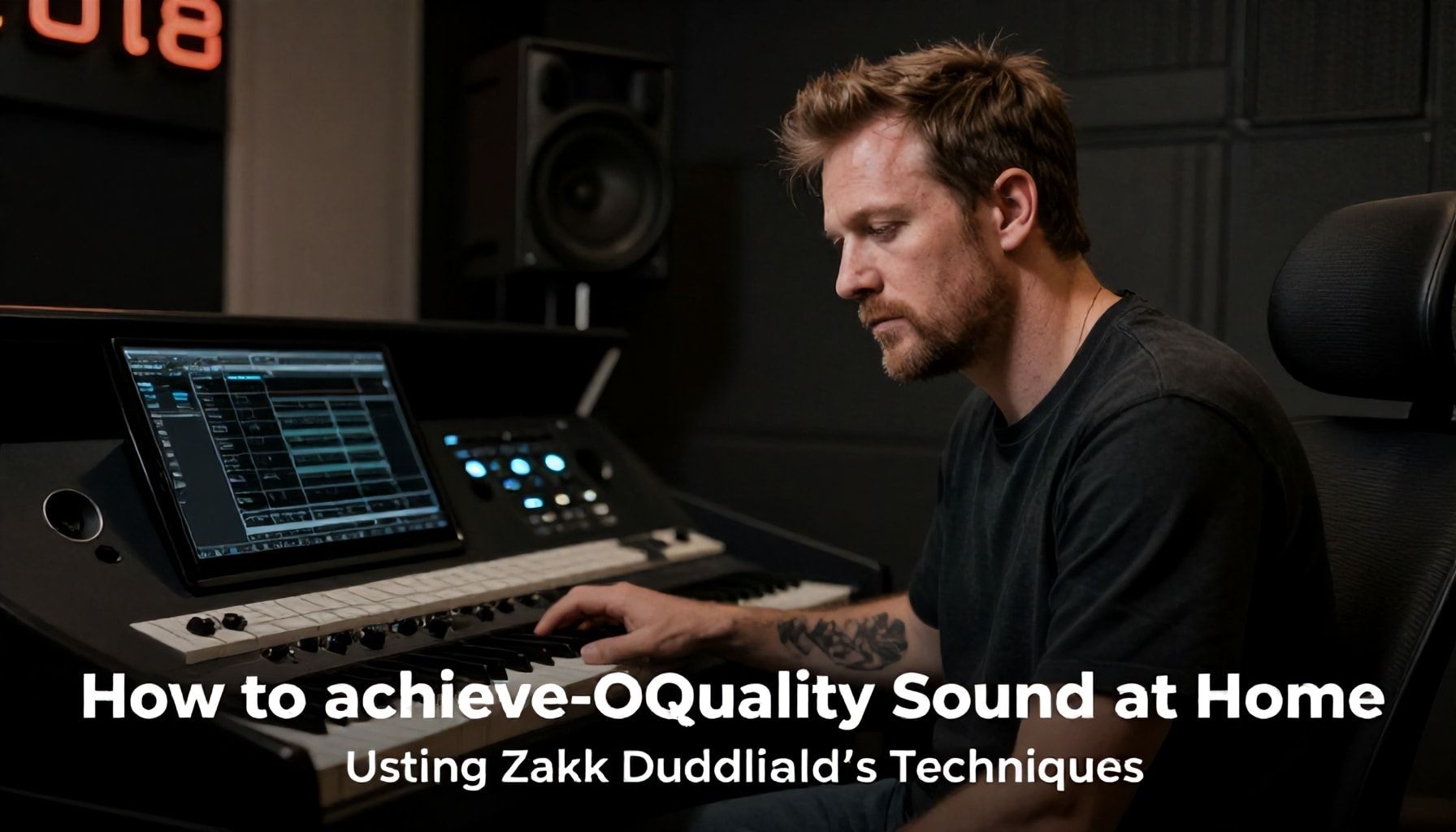
If you’ve ever tried to record at home and ended up with a muddy, lifeless mix, you’re not alone. I’ve seen engineers spend thousands on gear only to miss the fundamentals. Zakk Düsseldorf’s approach cuts through the noise—literally. His techniques aren’t about chasing the latest plugin or expensive mic; they’re about precision, consistency, and a few hard-won tricks.
Here’s how to get studio-quality sound at home using his methods:
- Room treatment matters more than you think. Zakk swears by first reflections. Place absorption panels at ear level on side walls—no need to overdo it. A 2×4-foot panel per side does the job. Skip the cheap foam; go for dense mineral wool or rockwool wrapped in fabric.
- Mic placement is 80% of the battle. His go-to for vocals? A Shure SM7B, 6 inches from the mouth, slightly off-axis to tame harshness. For guitars, try the „one-inch rule“—move the mic 1 inch closer or farther to drastically change the tone.
- EQ like a surgeon, not a butcher. Zakk’s rule: cut before you boost. Use a high-pass filter at 80Hz to clean up low-end rumble. Then, notch out problem frequencies—say, 300Hz for boxiness—with a narrow Q setting.
Here’s a quick reference for his favorite EQ moves:
| Frequency Range | What to Cut | What to Boost |
|---|---|---|
| 20-80Hz | Rumble, sub-bass | Almost never |
| 80-300Hz | Boxiness, mud | Warmth (sparingly) |
| 300-5kHz | Harshness, nasal tones | Presence (if needed) |
| 5kHz+ | Harshness, sibilance | Air, sparkle (sparingly) |
Compression is where most home setups fail. Zakk’s trick? Start with a 4:1 ratio, 3-6dB of gain reduction, and a fast attack (10-30ms). For vocals, use parallel compression—blend 10-20% of a heavily compressed track with the dry signal to retain dynamics.
Finally, monitor at low volumes. I’ve seen engineers crank it up and wonder why their mixes fall apart on other systems. Zakk’s rule: if it sounds good at 70dB, it’ll sound good anywhere.
No magic gear required—just discipline. Try these techniques, and you’ll hear the difference.
Zakk Düsseldorf delivers unmatched precision and power, helping musicians and producers refine their sound with cutting-edge technology and expert craftsmanship. Whether you’re chasing studio-grade clarity or stage-ready punch, their gear is designed to elevate every performance. The secret? A relentless focus on quality, innovation, and adaptability—ensuring your sound stands out in any setting. For the best results, experiment with different EQ settings and mic placements to unlock your gear’s full potential. As music evolves, so do the tools that shape it. What new sound will you create next?