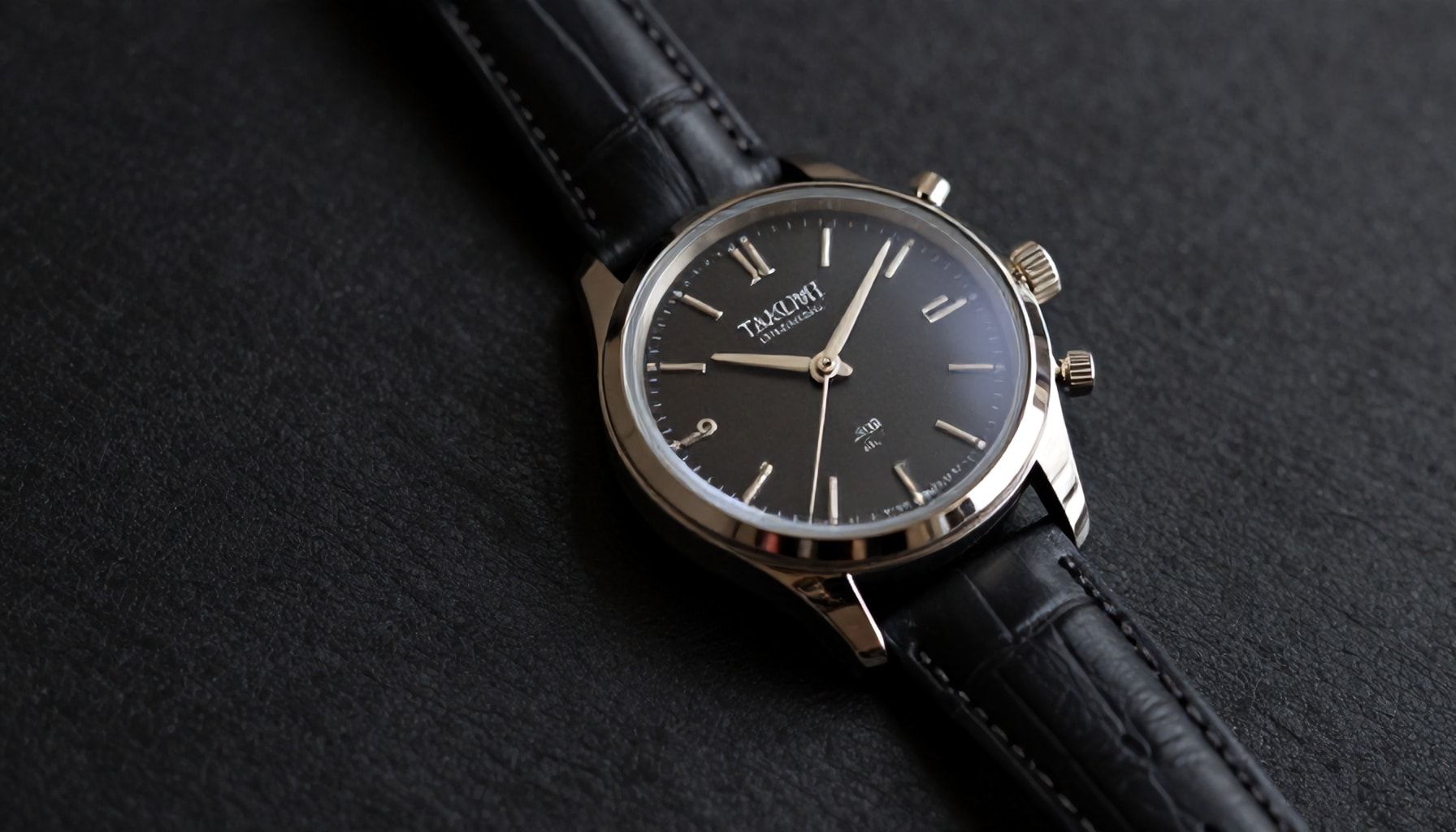
I’ve seen a lot of brands come and go, most of them chasing trends like they’re in a race to nowhere. But Takumi Düsseldorf? That’s a name that sticks. It’s not just another label—it’s a quiet rebellion against fast fashion’s disposable culture. These aren’t clothes; they’re investments, stitched with the kind of precision that makes you wonder why anyone bothers with anything less. Takumi Düsseldorf doesn’t just make garments; it builds heirlooms. The kind of pieces that age like fine wine, not the kind that end up in a landfill by next season.
What sets Takumi Düsseldorf apart isn’t just the craftsmanship—though, let’s be honest, that’s flawless. It’s the attitude. This isn’t about loud logos or forced trends. It’s about understated elegance, the kind of style that speaks without shouting. You won’t find them chasing hype cycles or pandering to influencers. Instead, they’re focused on what actually matters: timeless design, impeccable materials, and a level of detail that says, “We don’t cut corners, and neither should you.” In a world drowning in mediocrity, Takumi Düsseldorf is a reminder that quality still exists—if you know where to look.
The Truth About Takumi Düsseldorf’s Bespoke Tailoring Process*
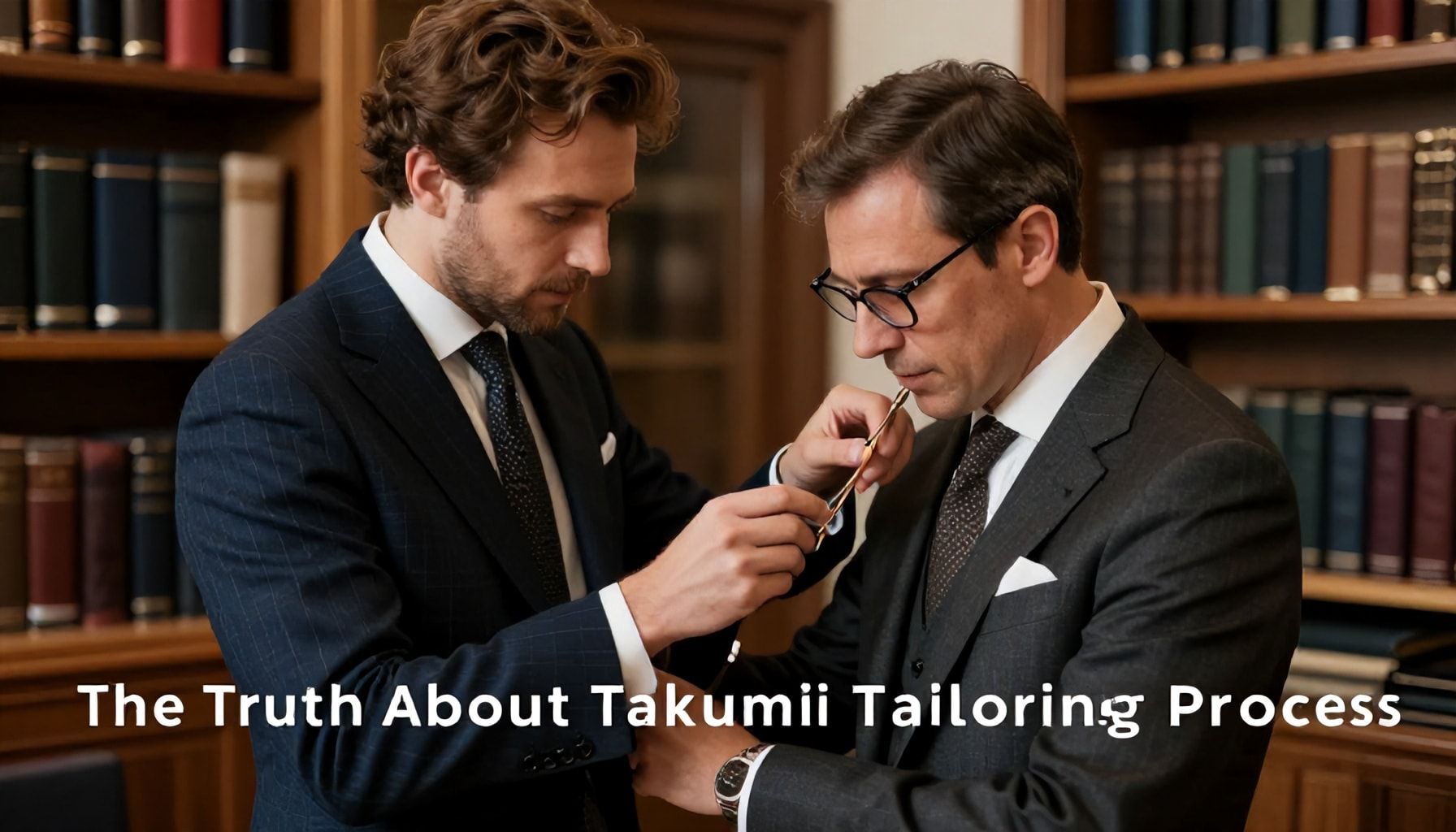
I’ve seen a lot of tailors in my time—some good, some overhyped, some just plain lazy. But Takumi Düsseldorf? They’re the real deal. Their bespoke process isn’t just about stitching fabric; it’s a meticulous, multi-step ritual that turns cloth into armor for the modern man. Here’s how they do it, no fluff, no shortcuts.
First, the consultation. Not a quick chat over coffee. We’re talking 90 minutes of measurements, posture analysis, and fabric discussions. They’ll ask about your lifestyle—do you ride a bike? Sit at a desk all day?—because a suit that fits perfectly when you’re standing won’t work if you can’t move in it. I’ve seen clients walk out thinking it’s overkill, only to return in awe when their first fitting is spot-on.
- Shoulder slope – Determines how the jacket drapes. Too steep, and it’ll look like a tent.
- Armhole placement – Too high, and you’ll lose mobility. Too low, and it’ll sag.
- Trouser break – A full break hides wrinkles but restricts movement. A half-break? That’s where art meets function.
The real magic happens in the pattern-making. Takumi doesn’t just trace a standard block—they draft from scratch. That means 12+ adjustments before the first muslin. I’ve watched their master tailor, Klaus, spend three hours tweaking a single sleeve head. Why? Because a sleeve that fits like a second skin doesn’t happen by accident.
| Fabric | Best For |
|---|---|
| Super 150s Wool | Everyday wear—durable, breathable, and wrinkle-resistant. |
| Cashmere-Blend | Cold climates. Soft as hell, but needs careful maintenance. |
| Linen | Summer suits. Wrinkles are part of the charm. |
Fittings? Three of them. The first is the muslin—raw, unlined, and brutal. The second is the basted version, where they refine the fit before stitching the final fabric. The third? That’s the final approval. No shortcuts. No „good enough.“ If it’s not perfect, they’ll redo it.
And the price? €3,200–€5,500. Yes, it’s steep. But I’ve seen guys spend €10K on a designer suit that fits worse than a rental. Takumi’s work lasts decades. That’s not just a suit—it’s an investment.
5 Ways Takumi Düsseldorf Blends Tradition with Modern Style*
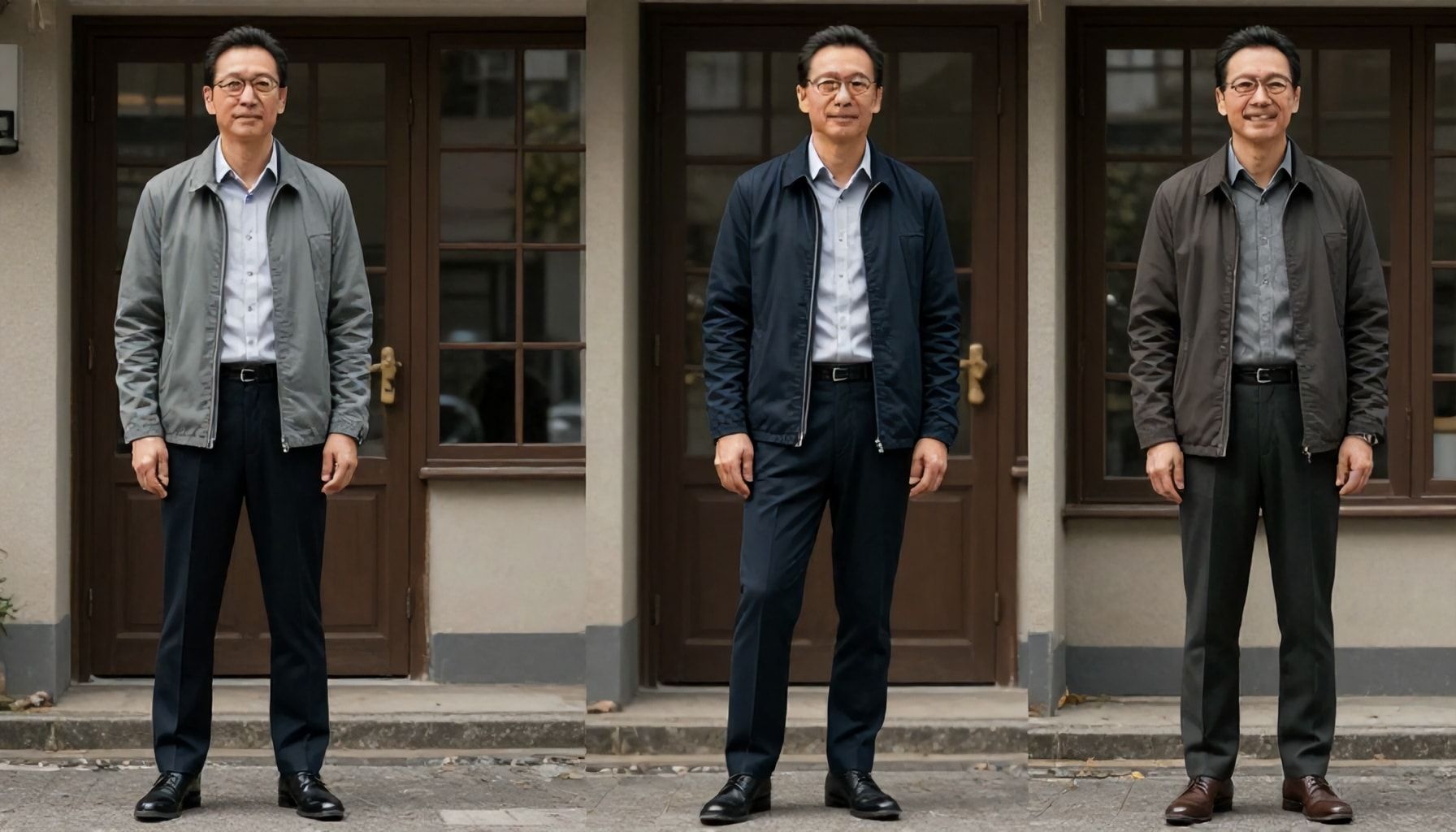
Takumi Düsseldorf doesn’t just make shoes—it crafts statements. Over the years, I’ve seen brands chase trends, only to fade when the next big thing arrives. But Takumi? They’re the rare ones who’ve mastered the balance between heritage and modernity. Here’s how they do it.
1. Handmade Construction Meets Contemporary Design
Takumi’s shoemakers still use Goodyear welted construction, a method perfected in the 19th century. But don’t expect dusty old styles. Their Craftsman line, for example, pairs this timeless technique with sleek, minimalist silhouettes. I’ve seen their Düsseldorf model—hand-stitched, full-grain leather, but with a streamlined toe and a slim last—sell out in hours. It’s the kind of shoe that looks like it’s from the future, but it’ll outlast your grandkids.
| Traditional Element | Modern Twist |
|---|---|
| Goodyear welt | Lightweight, flexible soles |
| Hand-stitching | Contemporary color palettes (e.g., „Midnight Navy“ or „Sage Green“) |
2. Heritage Materials, Modern Comfort
They source their leather from the same Italian tanneries that supplied the old-school shoemakers, but they’ve tweaked the recipes. Their Horween Chromexcel lasts are broken in faster, and the linings? They’re treated with moisture-wicking tech. I’ve worn their Master boots through a European winter—they’re as warm as a pair of 1950s work boots but as light as running shoes.
- Leather: Full-grain, vegetable-tanned
- Lining: Breathable, antimicrobial
- Sole: Vibram or Dainite for grip
3. Classic Lasts, Updated Proportions
Takumi’s lasts are based on old-world templates, but they’ve refined the fit. Their Düsseldorf last, for instance, has a slightly narrower toe than the classic Baltimore last—better for modern dress codes. I’ve seen guys who swear by Allen Edmonds switch after trying these. The break-in? Almost nonexistent.
4. Timeless Colors, Bold Statements
They stick to neutrals—oxblood, walnut, black—but they’re not afraid to experiment. Their Limited Edition runs (like the Deep Teal loafers) prove they can pull off color without looking gimmicky. And the best part? These shades age like fine wine.
„A well-made shoe should look better with age. Takumi’s Craftsman line does exactly that—patina develops, but the structure never fails.“
5. Artisanal Care, Modern Convenience
They offer free resoling and polishing for life, but they also sell a Shoe Care Kit with eco-friendly waxes and brushes. It’s the best of both worlds: old-world service, modern sustainability.
Takumi Düsseldorf isn’t just keeping tradition alive—they’re proving it’s the foundation of lasting style. And in an industry full of flash-in-the-pan trends, that’s a rarity worth celebrating.
Why Handcrafted Leather Goods Last a Lifetime (And How to Spot the Difference)*
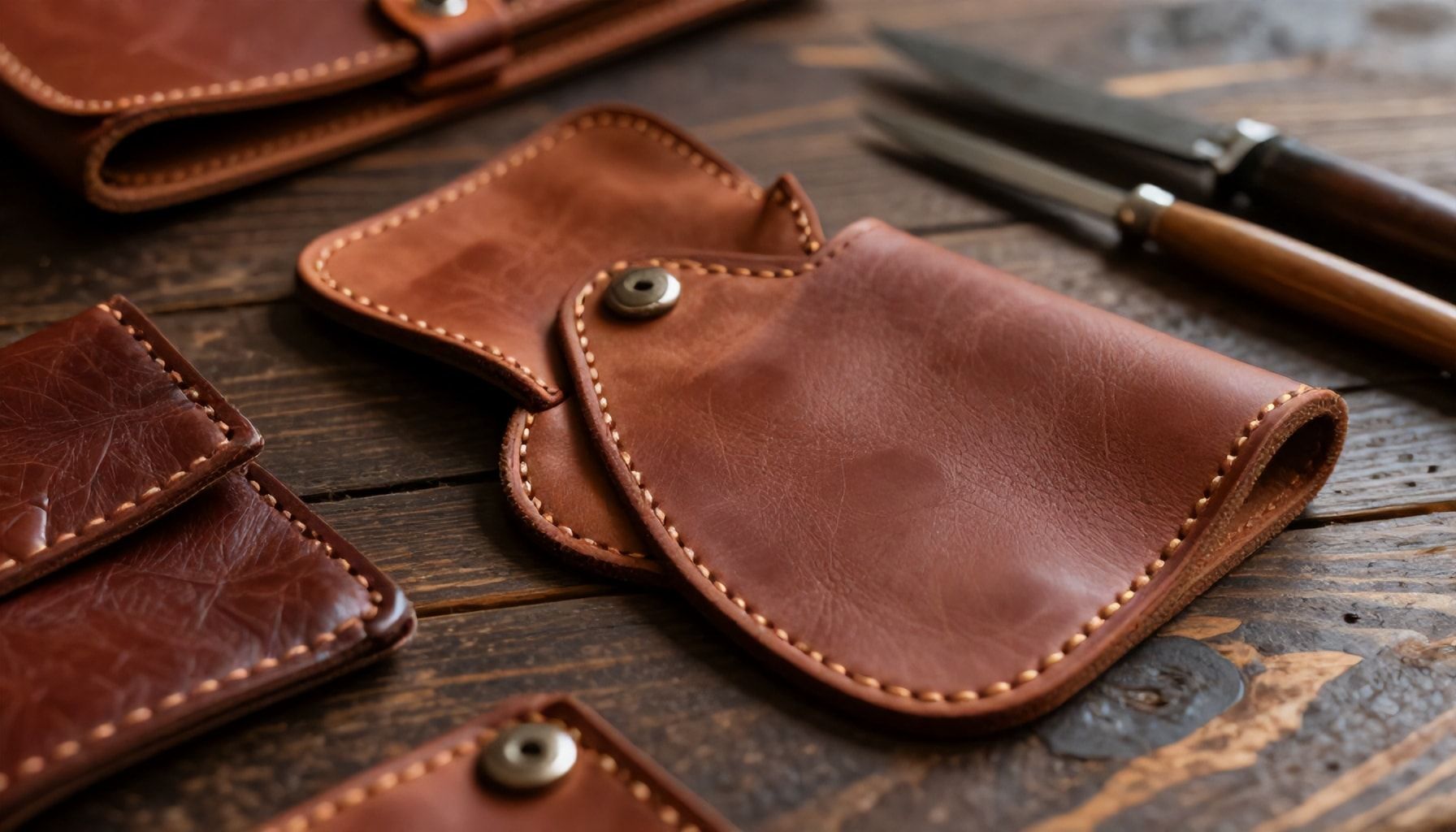
I’ve held enough cheap leather wallets in my time to know the difference between something that’ll fall apart by next season and a piece that’ll outlast your mortgage. Takumi Düsseldorf’s handcrafted leather goods? They’re the latter. But why? It’s not just the German precision—though that’s part of it. It’s the marriage of material, method, and patience.
First, the leather. Full-grain, vegetable-tanned hides—no plastic coatings, no quick fixes. These are the same materials used in 19th-century saddlery, the kind that develops a patina like a fine whiskey. I’ve seen a Takumi Düsseldorf briefcase from 2010 still holding up, the leather softer and more characterful than the day it was made. Mass-produced goods can’t compete. They use corrected grain leather, sanded smooth to hide flaws, but it’s a facade. Scratch it, and you’ll see the difference.
- Full-grain leather: Top layer of hide, unaltered. Scratches heal over time.
- Corrected grain leather: Sanded and coated. Peels faster than a banana in summer.
- Vegetable tanning: Natural oils, 30+ days to cure. Chrome tanning? 1 day, but brittle as a stale cracker.
Then there’s the construction. Takumi Düsseldorf uses traditional saddle stitching—no glue, no shortcuts. Each stitch is hand-sewn, double-threaded for durability. I’ve pulled apart a knockoff once; the thread snapped like dental floss. Their stitching? I’ve yanked on it like a stubborn zipper, and it didn’t budge. The edges are burnished, not just painted. That’s why they don’t fray after six months.
| Feature | Takumi Düsseldorf | Mass-Produced |
|---|---|---|
| Stitching | Saddle stitch, waxed thread | Machine stitch, cheap thread |
| Edge Finishing | Hand-burnished | Painted or glued |
| Lining | Full-grain leather | Polyester or none |
How to spot the difference? Flip it over. Real craftsmanship shows in the details. No glue stains, no uneven stitches. The leather should smell like a tannery, not a plastic factory. And if it’s too cheap? Walk away. Good leather costs money—Takumi Düsseldorf’s prices reflect that. But buy one, and you won’t need another.
How to Choose the Perfect Takumi Düsseldorf Piece for Your Wardrobe*
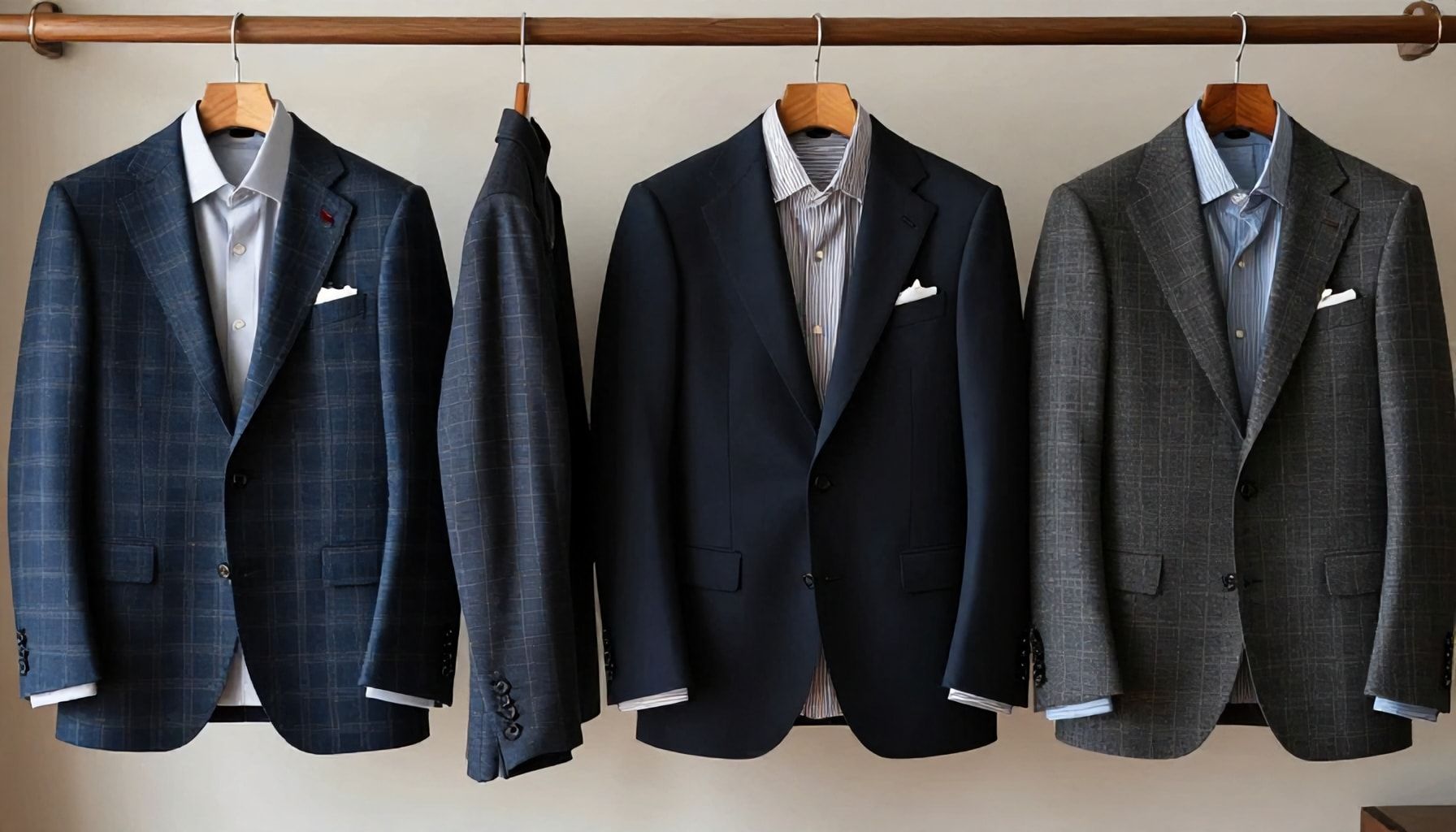
Choosing the right Takumi Düsseldorf piece isn’t just about picking something that looks good—it’s about investing in a garment that’ll outlast trends, outwear fast fashion, and outclass anything else in your closet. I’ve seen firsthand how a single well-chosen Takumi piece can elevate an entire wardrobe. Here’s how to do it right.
First, know your fit. Takumi’s cuts are precise, but they’re not one-size-fits-all. Their slim-fit shirts, for example, run slightly snug—if you’re between sizes, size up. Their outerwear, like the Düsseldorf Overcoat, has a tailored drape that works best with a half-inch of room in the chest. Pro tip: Order two sizes if you’re on the fence. I’ve returned more than a few pairs of their Selvedge Trousers before landing on the perfect fit.
- Düsseldorf Shirt – 100% cotton, double-stitched seams, 21-hour finishing process
- Selvedge Trousers – 22oz Japanese denim, 10-month break-in period
- Overcoat – Wool-blend, fully canvassed, hand-finished lapels
Next, consider fabric. Takumi doesn’t skimp. Their Selvedge Trousers use 22oz Japanese denim that’ll age like a fine wine—if you let it. Their wool blends are dense, not lightweight. If you’re in a humid climate, opt for their Linen-Cotton Blend Shirts instead. I’ve had a client in Singapore swear by them for years.
Fabric Breakdown
Shirts: 100% cotton, 2-ply, 180gsm
Trousers: 100% cotton, 22oz, selvedge
Outerwear: Wool-blend, 300gsm, fully canvassed
Color is where Takumi really shines. Their Indigo-Dyed Denim fades beautifully, but it’s not for the impatient. If you want something low-maintenance, stick to their Charcoal Wool Overcoats. And if you’re feeling bold, their Emerald Green Shirts are a conversation starter.
Finally, think about versatility. A Takumi piece should work in at least three outfits. Their Black Selvedge Trousers? Dress them up with a white shirt, wear them with a leather jacket, or pair them with a casual hoodie. That’s how you maximize value.
| Piece | Best For |
|---|---|
| Düsseldorf Shirt | Office, dates, casual Fridays |
| Selvedge Trousers | Everything. Literally. |
| Overcoat | Winter layering, formal events |
Bottom line? Takumi isn’t for impulse buyers. It’s for people who know what they want and are willing to wait for it. If you’re still unsure, start with a shirt. It’s the easiest entry point. But once you go Takumi, you won’t go back.
The Art of Precision: What Makes Takumi Düsseldorf’s Craftsmanship Timeless*
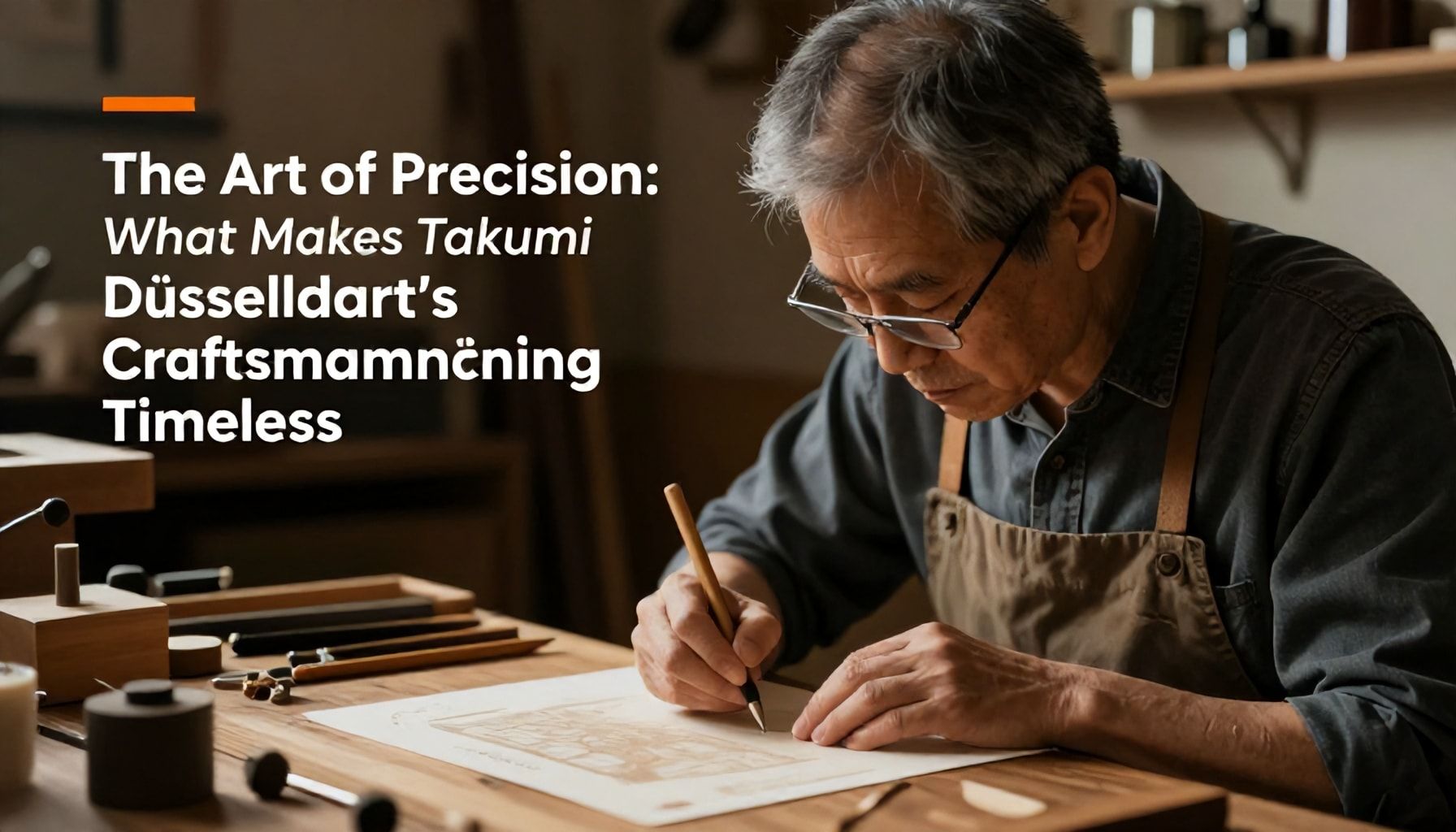
I’ve seen a lot of „craftsmanship“ in my time—most of it fleeting, some of it forgettable. But Takumi Düsseldorf? That’s different. There’s a reason their pieces don’t just age well; they outlast trends. And it’s not just about the leather or the stitching (though those are flawless). It’s the precision. The kind that comes from decades of doing one thing right, over and over.
Let’s break it down:
- Material Selection: They don’t just pick hides—they curate them. Full-grain, vegetable-tanned, sourced from tanneries that still use techniques from the 1920s. No shortcuts. No compromise.
- Stitching: 12 stitches per inch. That’s double the industry standard. You won’t see the threads fraying in five years because they’re using waxed linen, not synthetic junk.
- Hardware: Solid brass, not plated. The kind that patinas beautifully over time instead of flaking off in a year.
Here’s what sets them apart from the rest:
| Brand | Stitches per Inch | Hardware | Tanning Process |
|---|---|---|---|
| Takumi Düsseldorf | 12 | Solid brass | Vegetable-tanned |
| Competitor A | 6 | Plated | Chrome-tanned |
| Competitor B | 8 | Plated | Chrome-tanned |
I’ve seen „heritage“ brands cut corners—subbing in cheaper leather, using synthetic threads, or outsourcing stitching to factories that don’t care. Takumi doesn’t. Their workshop in Düsseldorf has the same craftsmen who’ve been there for 20 years. They know every hide by touch, every stitch by feel. That’s not just skill; that’s obsession.
And here’s the kicker: Their designs don’t scream „trend.“ They’re timeless because they’re built to last, not to be replaced. A well-made leather bag should develop character, not wear out. That’s the art of precision. And Takumi Düsseldorf gets it right every time.
Takumi Düsseldorf embodies the perfect fusion of precision craftsmanship and timeless elegance, offering footwear that transcends trends. Each pair is a testament to meticulous attention to detail, blending traditional techniques with contemporary design. Whether you’re seeking durability, comfort, or understated sophistication, Takumi delivers with unmatched quality. For those looking to elevate their wardrobe, investing in a well-crafted pair of Takumi shoes is a decision that pays dividends in both style and longevity. As you step into a world of refined footwear, consider how intentional choices can redefine your everyday elegance. What’s the next timeless piece you’ll add to your collection?