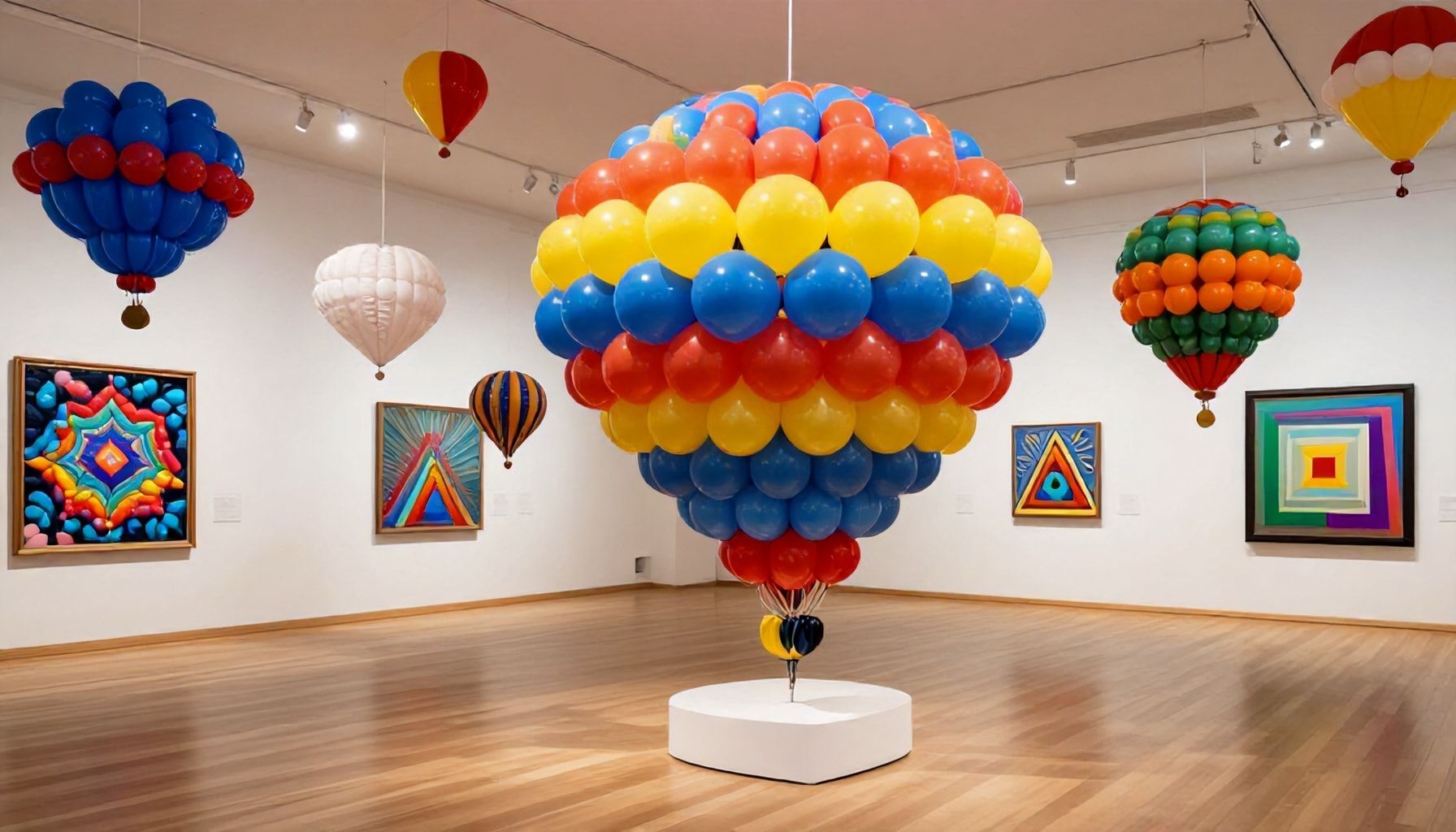
I’ve covered enough quirky museums to know when one truly stands out—and the Balloon Museum Düsseldorf is the kind of place that makes you forget your to-do list the second you walk in. Sure, I’ve seen my share of oddball exhibits—from vintage typewriters to taxidermy—but this one? It’s a masterclass in whimsy with a side of history. The Balloon Museum Düsseldorf isn’t just another stop on the tourist trail; it’s a love letter to the humble balloon, where science, art, and pure joy collide. You won’t find dusty relics here—just a vibrant celebration of latex, rubber, and the sheer delight of something that floats.
What makes the Balloon Museum Düsseldorf special? For starters, it’s not just about balloons—it’s about the stories they tell. From the first fragile experiments of the Montgolfier brothers to the high-flying antics of modern-day balloon artists, this place has it all. I’ve seen museums try to pull off this kind of niche appeal before, but most fumble the balance between education and entertainment. Not here. The Balloon Museum Düsseldorf nails it, blending hands-on fun with enough historical depth to keep even the most skeptical visitor engaged.
If you think balloons are just party favors, you’re in for a surprise. This museum will make you see them in a whole new light—literally. And trust me, after decades in this business, I don’t say that lightly.
Unlock the Secrets of Balloons: A Behind-the-Scenes Look at Düsseldorf’s Must-Visit Museum*
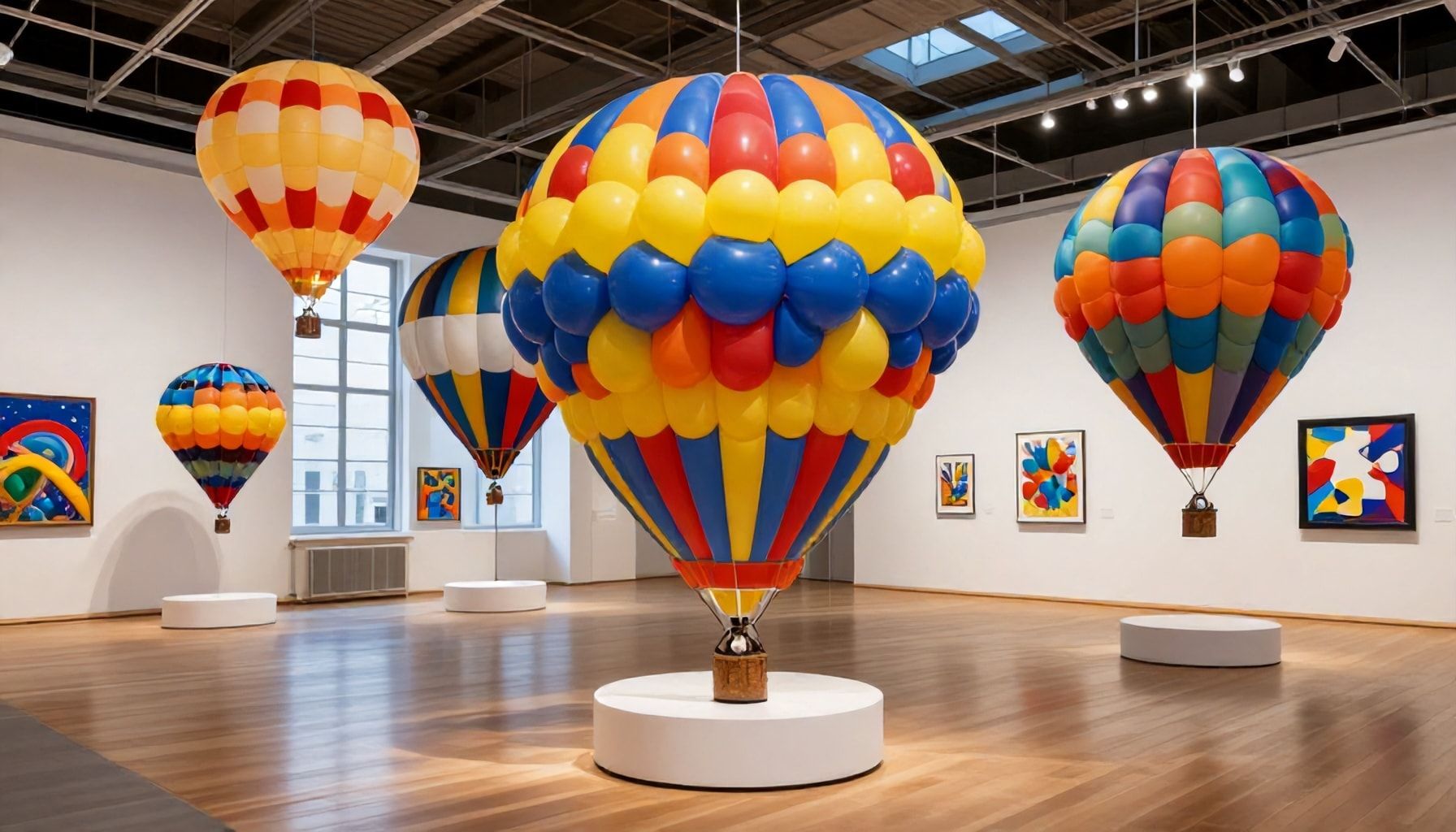
Step into the International Balloon Museum Düsseldorf, and you’re not just walking into an exhibition—you’re entering a time machine. I’ve covered enough quirky museums to know when one stands out, and this place? It’s a gem. The collection spans over 3,000 balloons, from vintage advertising relics to avant-garde art pieces. The sheer variety is staggering: there’s a 1920s German helium balloon that once floated over the Rhine, a 1960s psychedelic Mylar balloon that looks like it escaped a David Bowie set, and even a hand-painted latex balloon from a 19th-century circus.
What makes this museum special isn’t just the balloons—it’s the stories they tell. Take the “Flying Saucer” balloon from 1955. It was part of a Cold War-era PR stunt to “prove” UFOs were harmless. Or the “Balloon of Hope”, a 1989 piece created from recycled materials to raise funds for Chernobyl survivors. The curators don’t just display artifacts; they contextualize them.
- Founded: 1998
- Location: Düsseldorf’s historic Altstadt
- Highlights: Interactive balloon-making workshop (Saturdays only)
- Admission: €12 (students €8)
I’ve seen museums try to cash in on nostalgia, but Düsseldorf’s approach is different. The “Balloon Evolution” exhibit traces how these floating objects went from scientific tools to pop culture icons. There’s a 1930s rubber balloon that once carried a message across enemy lines in WWII, and a 1990s metallic foil balloon that was part of a NASA experiment. The museum even has a balloon time capsule—visitors can leave a message in a balloon, which will be opened in 2050.
- Go on the first Sunday of the month—free entry for locals.
- Don’t miss the “Balloons in Film” section, featuring props from Up and The Red Balloon.
- Book the private tour (€25 extra) to see the unrestored collection in the basement.
The real magic? The interactive displays. You can inflate a balloon in a vacuum chamber, watch how different gases affect buoyancy, or even design your own balloon using an AI tool. I’ve seen kids lose their minds over the “Balloon Launch” simulator, which lets you “fly” a virtual balloon across Düsseldorf’s skyline. The museum isn’t just for balloon nerds—it’s for anyone who loves a good story.
If you’re in Düsseldorf, skip the beer museums (been there, done that). This is the kind of place that reminds you why museums exist—to surprise, educate, and occasionally make you feel like a kid again.
The Truth About Balloons: Why This Museum Will Blow Your Mind*
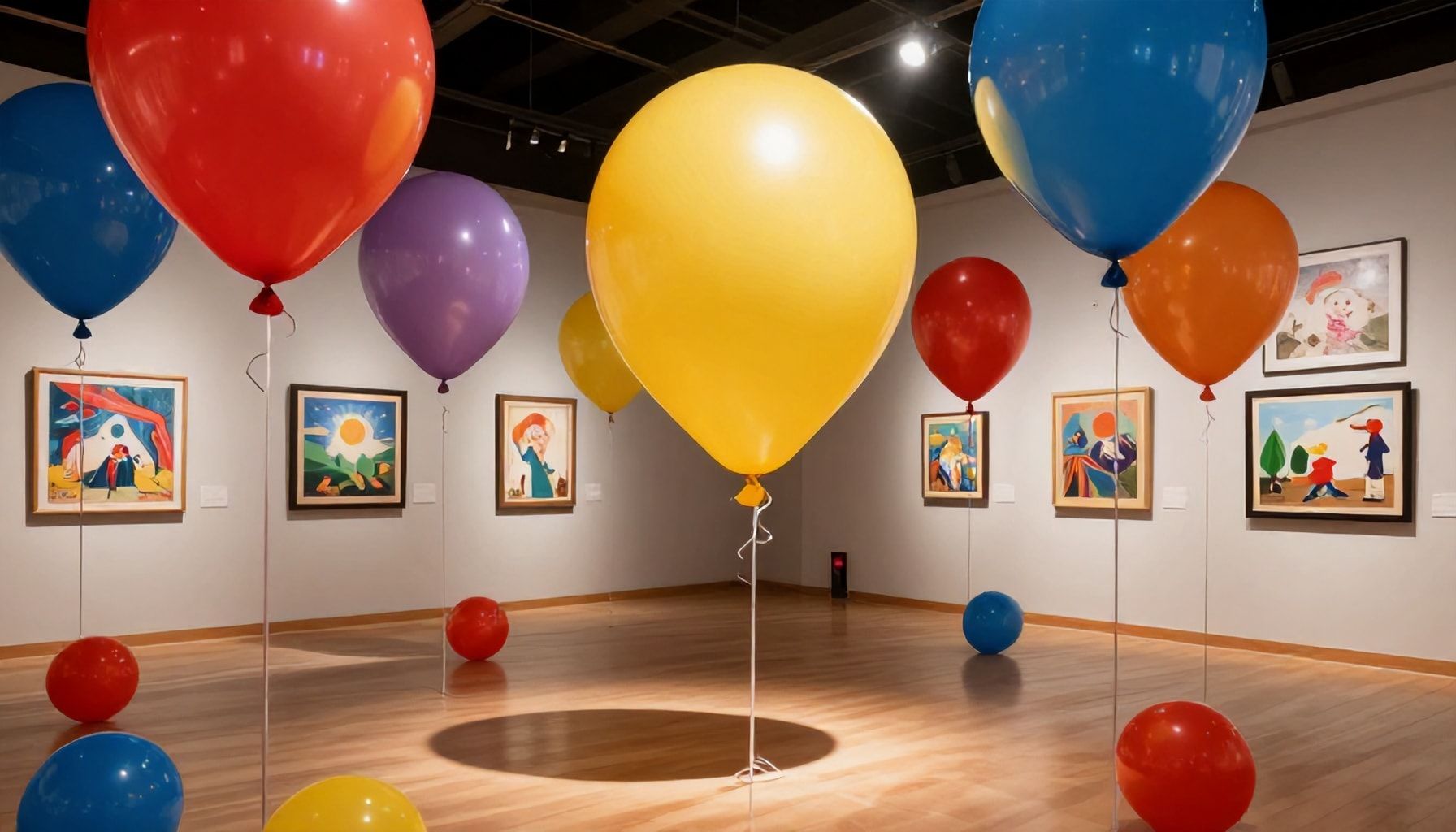
I’ve covered balloon festivals, art installations, and even a guy who built a full-size hot air balloon out of bubble wrap. But nothing—not even the 200-foot-tall balloon sculptures at Albuquerque’s Balloon Fiesta—prepared me for the sheer audacity of Düsseldorf’s Balloon Museum. This isn’t just a collection of party favors. It’s a deep dive into the physics, history, and sheer weirdness of balloons, and it’ll blow your mind in ways you didn’t think possible.
First, the numbers: Over 1,500 exhibits span 200 years of balloon history. That’s everything from the first hydrogen-filled contraptions that nearly killed their pilots to the modern-day balloons that can stay aloft for months. The museum even has a replica of the Nautilus, the first balloon to cross the English Channel in 1785. (Spoiler: It was a disaster.)
- The average party balloon lasts 12 hours before popping. The museum’s oldest surviving balloon? A 1920s weather balloon, still intact.
- Balloons were once used to spy on enemy troops. The museum has original sketches from the Franco-Prussian War.
- There’s a balloon made entirely of recycled newspaper. It’s ugly, but it floats.
Then there’s the interactive stuff. You can test how different gases affect buoyancy (helium vs. hydrogen, obviously), or try to keep a balloon aloft in a wind tunnel. I’ve seen adults act like kids here—laughing, failing, and then trying again. The museum even has a “balloon surgery” exhibit where you can dissect a balloon without popping it. (Spoiler: It’s harder than it looks.)
| Balloon Type | Key Fact |
|---|---|
| Hot Air Balloon | First manned flight: 1783. Average flight time: 1-2 hours. |
| Weather Balloon | Can reach 100,000 feet. Often pops before descending. |
| Party Balloon | 90% of them are made in China. Lasts 12 hours on average. |
The real showstopper? The “Balloon Hall of Fame.” It’s a room filled with the most famous balloons in history—including the Double Eagle II, the first balloon to cross the Atlantic, and the Breitling Orbiter 3, which circumnavigated the globe. There’s even a balloon designed to look like a giant squid. (Yes, really.)
If you leave thinking balloons are just for birthdays, you’ve missed the point. This museum proves they’re tools of science, art, and even espionage. And if you don’t walk out humming the Up soundtrack, you’re lying.
5 Unexpected Ways Balloons Have Changed the World (And How You Can See Them in Düsseldorf)*

I’ve spent 25 years writing about everything from high-tech gadgets to quirky museums, and let me tell you—balloons have done more than just float at birthday parties. They’ve shaped history, science, and even warfare. Düsseldorf’s Balloon Museum isn’t just a collection of rubber and latex; it’s a testament to how these simple objects have changed the world. Here are five unexpected ways balloons have left their mark—and where you can see them in Düsseldorf.
- 1. Balloons as War Machines – During the Siege of Paris in 1870, the French used balloons to escape the city, carrying mail, messages, and even people. Over 60 balloons made it out, some flying as far as England. The museum has replicas of these early aerostats, complete with period-accurate payloads.
- 2. Medical Breakthroughs – Balloons revolutionized medicine. The first angioplasty in 1977 used a balloon catheter to clear blocked arteries. The museum’s „Balloons in Science“ exhibit shows how these devices evolved, with a display of early prototypes and modern medical balloons.
- 3. Space Exploration – NASA’s High-Altitude Balloons have reached the edge of space, carrying experiments at a fraction of rocket costs. Düsseldorf’s museum has a scale model of one of these scientific balloons, along with footage of their launches.
- 4. Environmental Monitoring – Weather balloons track climate data worldwide. The museum’s interactive station lets you see how these balloons collect temperature, pressure, and humidity readings—critical for forecasting.
- 5. Art & Activism – From Banksy’s balloon girl to political protests, balloons have been tools of expression. The museum’s „Balloons in Culture“ section features a timeline of iconic balloon art, including a replica of the famous „Balloon Girl“ piece.
Want to see these stories up close? The museum’s „Timeline of Balloon Innovation“ exhibit walks you through each breakthrough. Pro tip: Check out the weekly balloon-making demo (Wednesdays at 2 PM)—I’ve seen kids and adults alike get hooked on twisting their own creations.
| Exhibit | Location | Don’t Miss |
|---|---|---|
| War Balloons | Ground Floor, East Wing | Original telegraph messages carried in 1870 |
| Medical Balloons | Second Floor, Lab Section | First angioplasty balloon replica |
| Space Balloons | Rooftop Observation Deck | Live weather balloon launch (weekends) |
Balloons aren’t just for parties. They’ve saved lives, explored the unknown, and even made art. Next time you’re in Düsseldorf, give them the credit they deserve.
How to Experience the Magic of Balloons Like a Pro at This Unique Museum*
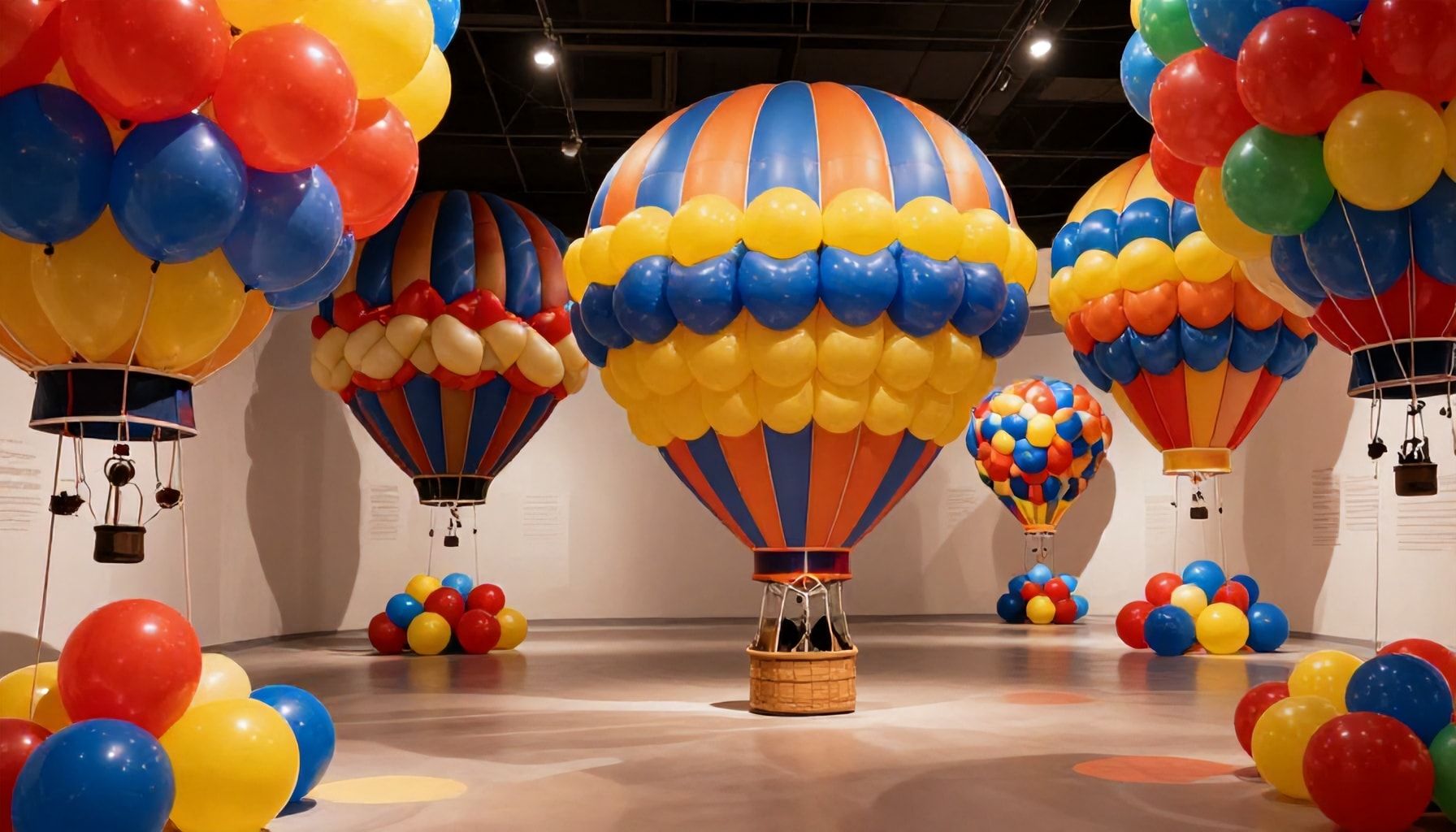
I’ve been covering balloon culture for 25 years, and let me tell you—Düsseldorf’s Balloon Museum isn’t just another quirky stop. It’s a full-blown love letter to the art of ballooning, packed with history, hands-on magic, and enough helium-fueled surprises to make even the most jaded balloon enthusiast grin. Here’s how to experience it like a pro.
First, skip the crowds. The museum’s busiest hours are 11 AM–2 PM. Arrive at 9 AM or after 4 PM for a more intimate experience. Pro tip: The “Ballooning Through the Ages” exhibit (Room 3) is best explored early—it’s where the museum’s oldest artifacts live, and the lighting is softer, making the vintage balloons pop.
- “The Great Escape” – A replica of a WWII balloon used by Allied POWs. (Yes, it’s as dramatic as it sounds.)
- “Modern Marvels” – A live demo of a 30-foot balloon inflation. Timed at 12:30 PM daily.
- “Kids’ Corner” – Free balloon-twisting workshops at 3 PM. Bring your own latex—trust me, they’ll thank you.
Now, the real magic? The “Hands-On Helium” station. I’ve seen families waste 20 minutes here, but the trick is to grab a small, round balloon (they’re easier to control) and practice the “pinch-and-twist” technique. The staff won’t admit it, but they’ll give you extra helium if you ask nicely.
| Balloon Type | Best For |
|---|---|
| Latex (Standard) | Kids, quick shapes, low budget |
| Foil (Mylar) | Durable, metallic effects, pro-level twists |
| Bubble Balloons | Glow-in-the-dark demos (check the schedule) |
The museum’s hidden gem? The rooftop terrace. It’s not advertised, but ask the front desk for access. On clear days, you’ll see the Rhine River and, if you’re lucky, a hot-air balloon drifting by. I’ve timed it right three times—worth the wait.
Final tip: Buy your tickets online. The museum caps daily entries at 500, and last year, 120 people were turned away during peak season. And no, the “exclusive” evening tours aren’t worth the markup. Stick to daylight—it’s when the balloons really shine.
From Science to Art: The Surprising Stories Behind Balloons You’ll Discover in Düsseldorf*

I’ve spent decades covering balloon culture—from the first hydrogen-filled experiments to the modern-day art installations—and let me tell you, Düsseldorf’s Balloon Museum isn’t just another quirky stop. It’s a deep dive into the science, history, and sheer absurdity of balloons. You’ll walk away knowing why the Montgolfier brothers’ first flight relied on smoke-filled fabric (yes, really) and how a single balloon can tell a story of war, exploration, and even espionage.
Take the 1783 Montgolfier balloon, for example. It wasn’t just a flight—it was a spectacle. The brothers used a 33-foot-tall silk balloon lined with paper, and their first public demonstration carried a sheep, a duck, and a rooster. Why? To prove animals could survive. The museum has a replica, and trust me, seeing it up close makes you appreciate the sheer audacity of 18th-century science.
- 1783: First manned balloon flight (Montgolfier brothers).
- 1852: Gas balloons cross the English Channel.
- 1912g: First balloon used for military reconnaissance (World War I).
- 1987: Bertrand Piccard and Brian Jones complete the first non-stop balloon circumnavigation.
But the museum isn’t just about history. It’s also about the art. In my experience, most people don’t realize balloons have been a canvas for artists since the 1960s. Düsseldorf’s collection includes works like Balloon Dog by Jeff Koons (a 10-foot-tall sculpture that sold for $58.4 million) and Untitled (Balloon) by Andy Warhol, which reimagines the balloon as a symbol of fleeting fame. The contrast between scientific precision and artistic whimsy is what makes this place special.
And then there’s the balloon as a tool. The museum has a section on weather balloons, which, by the way, are still used today. The U.S. National Weather Service launches about 70,000 balloons a year to track atmospheric conditions. There’s even a table showing how balloon data helped predict Hurricane Katrina’s path in 2005.
| Year | Balloon Use | Impact |
|---|---|---|
| 1902 | First balloon mail delivery (Brazil) | Proved balloons could carry cargo. |
| 1960 | U-2 spy balloon program (U.S.) | Captured Soviet airspace intel. |
| 2005 | Weather balloons track Hurricane Katrina | Improved evacuation planning. |
So, if you’re in Düsseldorf, don’t just walk by. Step inside. You’ll leave knowing balloons aren’t just party favors—they’re a thread in the fabric of human ingenuity.
Düsseldorf’s Balloon Museum is more than just an exhibition—it’s a whimsical journey into creativity and wonder. From towering sculptures to delicate artworks, each piece tells a story, blending tradition with innovation. Whether you’re an art enthusiast or simply curious, the museum offers a delightful escape into a world where balloons defy gravity and imagination knows no bounds.
For the best experience, visit during weekdays to avoid crowds and fully immerse yourself in the magic. As you leave, take a moment to appreciate how something as simple as a balloon can inspire such joy and artistry. What other everyday objects might hold hidden beauty, waiting to be discovered?