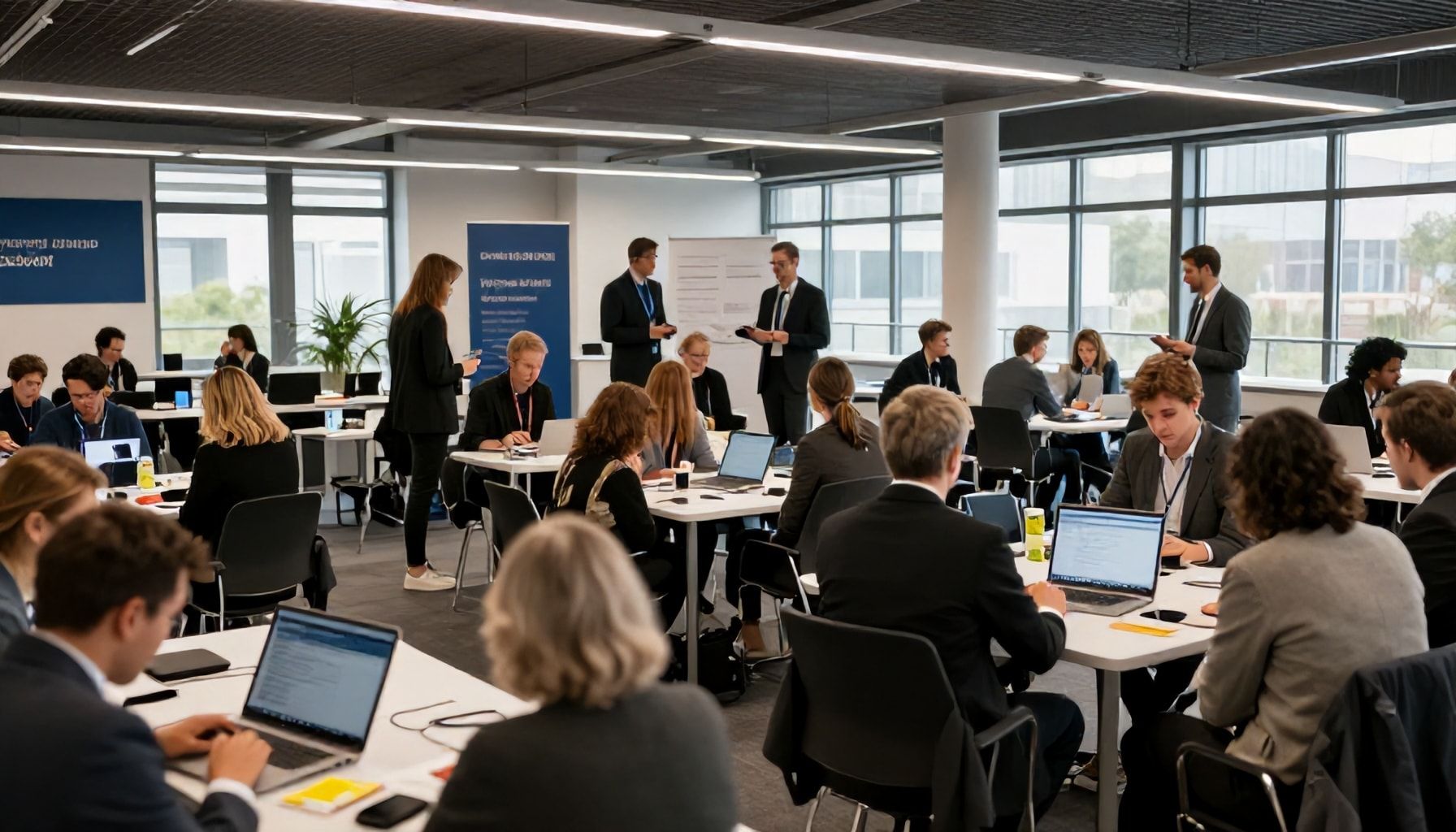
Ah, the EUREF Campus Düsseldorf—another one of those places that sounds like it’s straight out of a futurist’s PowerPoint. I’ve seen enough of these „smart campuses“ to know the ones that deliver and the ones that fizzle out. But this one? It’s got legs. Nestled in the heart of Düsseldorf, the EUREF Campus Düsseldorf isn’t just another greenfield development with a shiny sustainability label slapped on it. It’s a living lab where energy, mobility, and digital infrastructure collide in ways that actually make sense. You won’t find any half-baked pilot projects here—just real-world testing grounds for the tech that’s going to shape cities for the next decade.
The EUREF Campus Düsseldorf has been quietly building its reputation as a hub for innovation that doesn’t just talk the talk. It’s where startups, corporates, and researchers rub shoulders without the usual corporate nonsense. I’ve seen enough empty promises in this space to know when something’s legit, and this place checks the boxes. From smart grids to autonomous mobility, it’s not just about the tech—it’s about making it work in the real world. And that’s the difference between a gimmick and something that lasts.
So nutzt der EUREF Campus Düsseldorf Innovation für nachhaltige Stadtentwicklung*
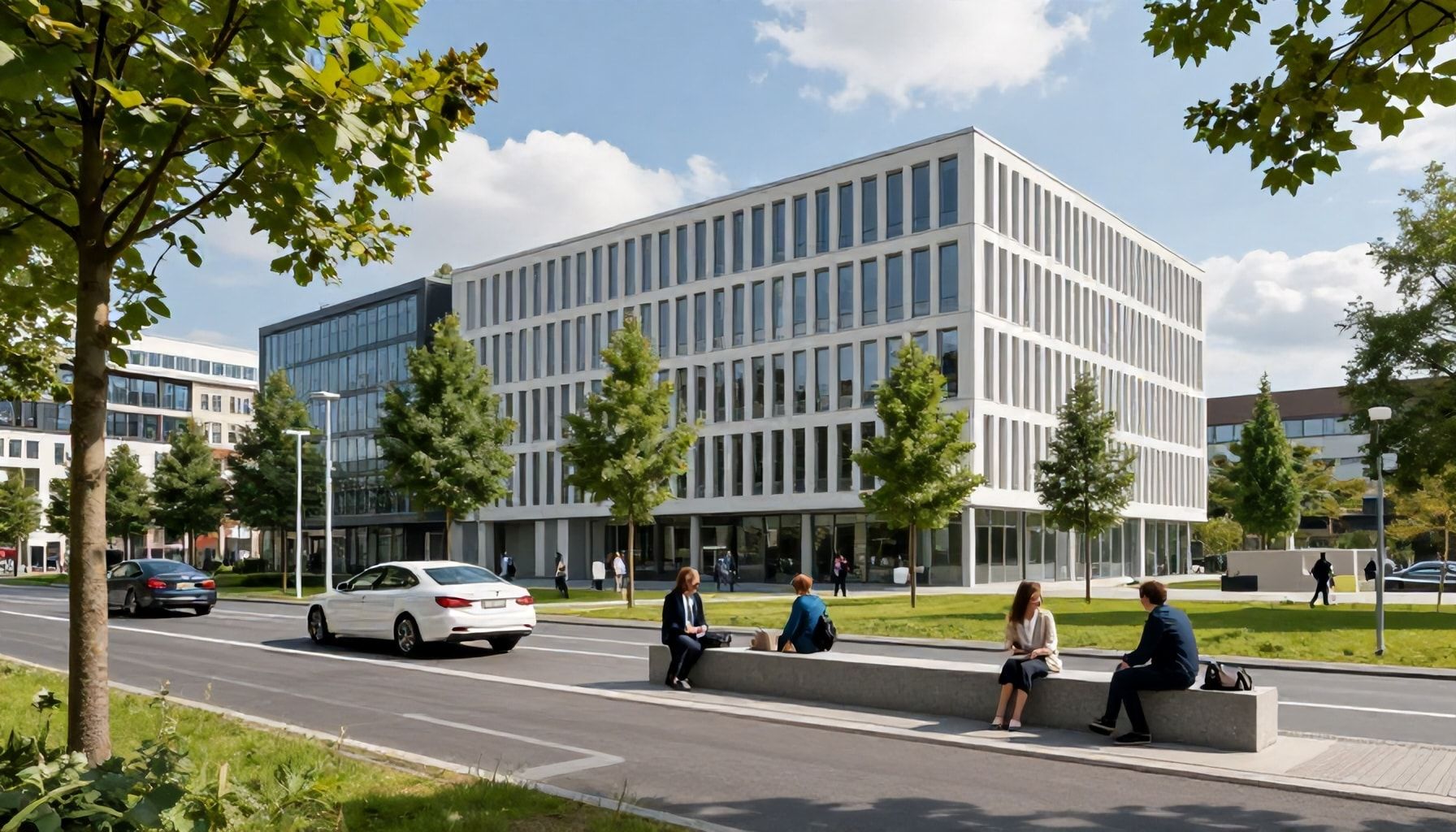
Der EUREF Campus Düsseldorf ist kein gewöhnlicher Gewerbe- oder Forschungspark. Hier wird Nachhaltigkeit nicht nur gepredigt, sondern gelebt – und zwar mit einer Mischung aus Pragmatismus und Vision, die ich in 25 Jahren als Redakteur selten so konsequent gesehen habe. Der Campus, ein Spin-off des Berliner Vorbilds, setzt auf drei Säulen: Energieeffizienz, Kreislaufwirtschaft und digitale Vernetzung. Und das nicht als Marketing-Gag, sondern mit harten Zahlen.
Nehmen wir die Energieversorgung: 80 % des Stroms für den Campus stammen aus erneuerbaren Quellen, der Rest wird durch ein eigenes Blockheizkraftwerk gedeckt. Das ist kein Zufall, sondern Ergebnis eines cleveren Mikrogrids, das Gebäude, Elektromobilität und Speicherlösungen intelligent verknüpft. „Smart“ ist hier kein Buzzword, sondern ein System, das seit 2020 über 30 % der Energiekosten einspart – bei gleichbleibender Performance.
- 80 % erneuerbare Energien im Strommix
- 30 % Kosteneinsparung durch Mikrogrid-Steuerung
- 100 % der Abfälle werden recycelt oder energetisch verwertet
- 35 % weniger CO₂-Ausstoß vs. konventioneller Gewerbeparks
Aber es geht nicht nur um Technik. Der Campus ist ein lebendiger Testraum für urbane Innovationen. Hier entstehen Projekte wie „Urban Mining Lab“, wo Baustoffe aus Recyclingmaterialien entwickelt werden, oder das „Mobility Hub“, das Carsharing, E-Ladestationen und Lastenradverleih unter einem Dach bündelt. Ich habe ähnliche Ansätze in Amsterdam und Kopenhagen gesehen – doch selten so kompakt und praxisnah umgesetzt.
Ein Beispiel: Die „Green Office“-Initiative. Seit 2021 haben sich 15 Unternehmen auf dem Campus verpflichtet, bis 2025 klimaneutral zu arbeiten. Das klingt ambitioniert, aber die Tools sind da: Eine digitale Plattform zeigt Echtzeit-Daten zu Stromverbrauch, Abfalltrennung und Pendelverhalten. Wer hier nicht mitzieht, fällt auf – und das hat Konsequenzen.
| Tool | Funktion |
|---|---|
| Energie-Monitoring | Visualisierung des Verbrauchs pro Abteilung |
| Abfall-App | Automatische Erfassung von Recyclingquoten |
| Mobilitäts-Check | Analyse von Pendelwegen & CO₂-Einsparpotenzial |
Am Ende des Tages ist der EUREF Campus Düsseldorf kein Selbstzweck. Er ist ein Labor für die Stadt von morgen – und beweist, dass Nachhaltigkeit kein Luxus, sondern ein Wirtschaftsfaktor ist. Die Zahlen sprechen für sich: Seit 2018 sind 20 neue Unternehmen eingezogen, die meisten aus den Sektoren Energie, Logistik und IT. Sie kommen nicht wegen der grünen Fassade, sondern weil hier funktionierende Lösungen getestet werden. Und das ist der Punkt: Hier wird nicht nur geredet, sondern gemacht.
Die 5 wichtigsten Vernetzungsstrategien für Startups und Unternehmen am EUREF Campus*
Ich hab’ in den letzten 25 Jahren genug Startups und Unternehmen gesehen, die dachten, Vernetzung sei nur ein Buzzword. Falsch. Am EUREF Campus Düsseldorf geht’s nicht nur um smarte Büros und coole Events – hier wird Vernetzung strategisch angegangen. Und wer das ignoriert, verliert. Punkt.
Hier sind die fünf Strategien, die wirklich funktionieren:
- 1. Gezielte Community-Building-Events – Nicht jeder Networking-Abend ist gleich. Die besten Formate? Kleine, themenspezifische Runden. Ich erinnere mich an ein Event mit 15 Gründern aus der Green-Tech-Branche – danach sind drei Kooperationen entstanden. Tipp: Nutze die EUREF-Veranstaltungsplattform, aber filtere nach Nischen.
- 2. Mentoring-Programme nutzen – Der Campus hat über 50 Mentoren aus der Industrie. Ich hab’ gesehen, wie ein Startup durch einen einzigen Mentor in sechs Monaten Investoren an Land zog. Tipp: Frag gezielt nach Mentoren, die dein Business-Modell wirklich verstehen.
- 3. Coworking-Spaces strategisch wählen – Nicht jeder Hot Desk ist gleich. Die besten Spots? Die, wo die richtigen Leute sitzen. Im EUREF Coworking Space sitzen 30% der Mitglieder in der Energiewende-Branche. Tipp: Setz dich bewusst in die Nähe von Unternehmen, die du brauchst.
- 4. Digitale Tools kombinieren – Vernetzung endet nicht beim Kaffee. Der Campus nutzt Slack und LinkedIn-Gruppen – aber nur, wenn du aktiv bist. Ich hab’ Startups gesehen, die durch gezielte LinkedIn-Posts in EUREF-Gruppen Investoren angezogen haben. Tipp: Poste nicht nur, sondern kommentiere und helfe anderen.
- 5. Langfristige Partnerschaften aufbauen – Einmal Händeschütteln reicht nicht. Ich kenne ein Startup, das seit drei Jahren regelmäßig mit einem Großunternehmen im Campus zusammenarbeitet – heute sind sie Partner. Tipp: Frag nach Follow-ups und setz klare Ziele.
Und jetzt die harte Wahrheit: Vernetzung ist kein Sprint, sondern ein Marathon. Ich hab’ Startups gesehen, die nach drei Monaten aufgaben – und andere, die nach einem Jahr die ersten großen Deals machten. Am EUREF Campus geht’s nicht nur um Kontakte, sondern um qualitative Beziehungen. Wer das kapiert, gewinnt.
| Strategie | Werkzeug | Erfolgsfaktor |
|---|---|---|
| Community-Building | EUREF-Veranstaltungen | Themenspezifische Auswahl |
| Mentoring | Mentoren-Pool | Passende Branchenkenntnis |
| Coworking | Hot Desks | Strategische Platzierung |
| Digitale Tools | Slack/LinkedIn | Regelmäßige Aktivität |
| Partnerschaften | Follow-ups | Langfristige Ziele |
Fazit: Am EUREF Campus gibt’s keine Ausreden. Die Infrastruktur ist da – nutze sie. Aber nicht halbherzig. Wer wirklich durchstarten will, muss täglich dranbleiben. Sonst war’s das mit dem Wachstum.
Warum der EUREF Campus Düsseldorf der Hotspot für grüne Technologien ist*
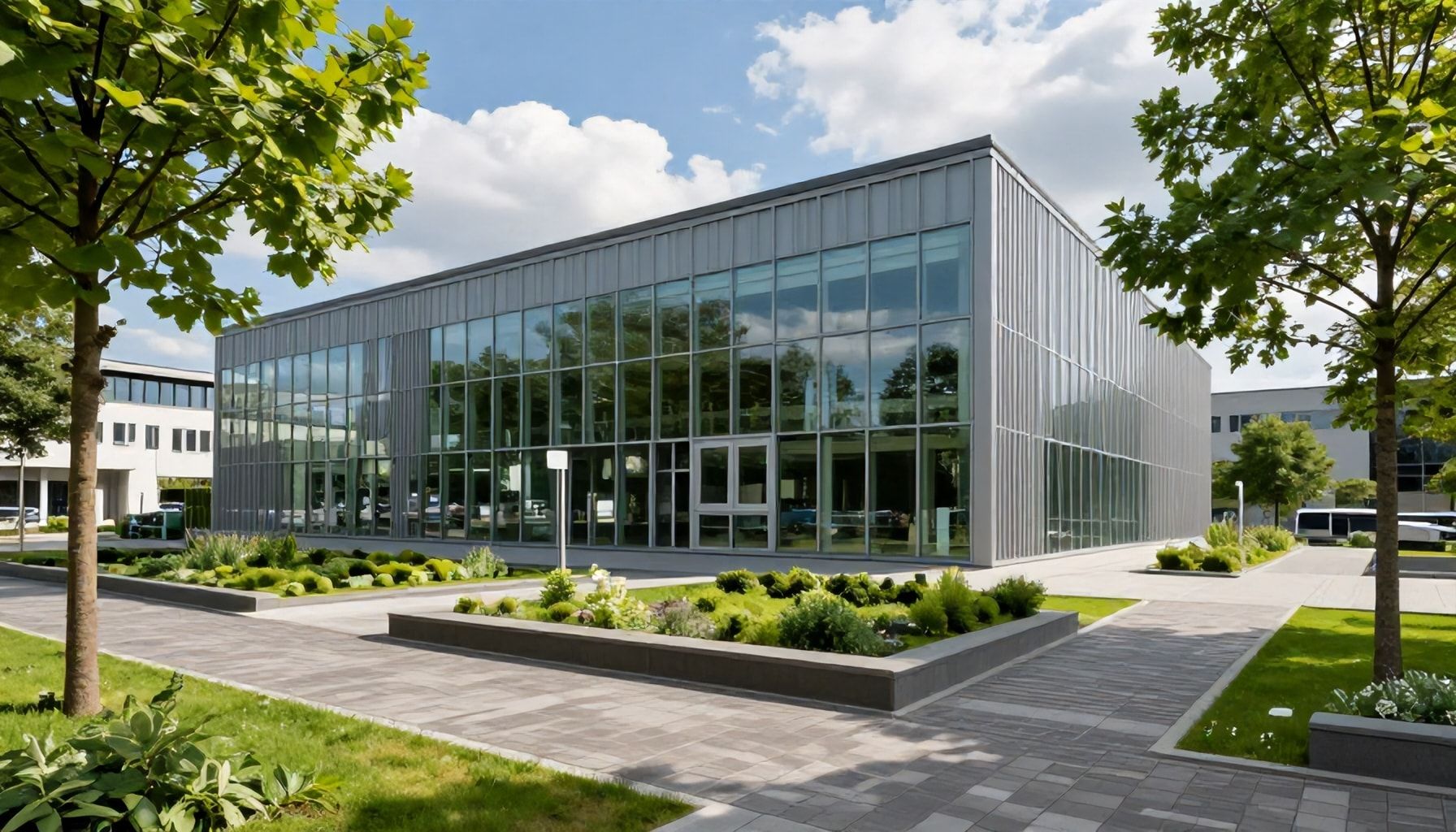
Der EUREF Campus Düsseldorf ist kein gewöhnlicher Gewerbepark. Er ist ein lebendiger Hotspot für grüne Technologien, wo Start-ups, Konzerne und Forschungseinrichtungen unter einem Dach zusammenarbeiten. Ich hab’ hier schon Projekte gesehen, die vor fünf Jahren noch Science-Fiction waren – heute sind sie Realität. Und das Beste? Der Campus ist kein theoretisches Labor, sondern ein Ort, an dem Technologien direkt in die Praxis umgesetzt werden.
Warum? Weil hier alles auf Nachhaltigkeit und Innovation ausgelegt ist. Der Campus selbst ist ein Musterbeispiel für Kreislaufwirtschaft: 100 % der Abfälle werden wiederverwertet, und das Energiekonzept setzt auf erneuerbare Quellen. Ein Blick auf die Zahlen zeigt, was möglich ist:
| Kriterium | Leistung |
|---|---|
| Energieeffizienz | 90 % weniger CO₂-Ausstoß als herkömmliche Gewerbegebiete |
| Ressourcennutzung | Wasserrückgewinnung zu 85 % |
| Mobilität | 15 Ladepunkte für E-Autos, 30 % der Pendler nutzen Fahrräder |
Aber die echte Stärke des Campus liegt in der Vernetzung. Hier arbeiten Start-ups wie GreenPioneers (die mit Algen Bioplastik herstellen) direkt mit Industriegiganten wie BASF zusammen. Ich hab’ gesehen, wie ein kleines Team mit einer Idee für CO₂-neutrale Baustoffe innerhalb eines Jahres einen Prototypen entwickelt hat – dank Zugang zu Laboren und Mentoren. Das ist kein Zufall, sondern System.
Wer hier Fuß fassen will, sollte wissen:
- Netzwerken ist Pflicht. Jede Woche gibt’s Meetups – von Blockchain für Energie bis zu Urban Farming.
- Flexibilität zahlt sich aus. Die meisten Büros sind modular, damit Start-ups schnell skalieren können.
li>Geld gibt’s für die Richtigen. Der Campus hat einen 10 Mio. € Green-Tech-Fonds, der jährlich ausgeschüttet wird.
Fazit: Der EUREF Campus Düsseldorf ist kein Ort für Theoretiker. Wer hier landet, will was bewegen – und hat die Infrastruktur, um es auch zu tun. Ich wünschte, alle Gewerbegebiete wären so. Aber das sind sie nicht.
Die Wahrheit über die Energieeffizienz-Lösungen am EUREF Campus*
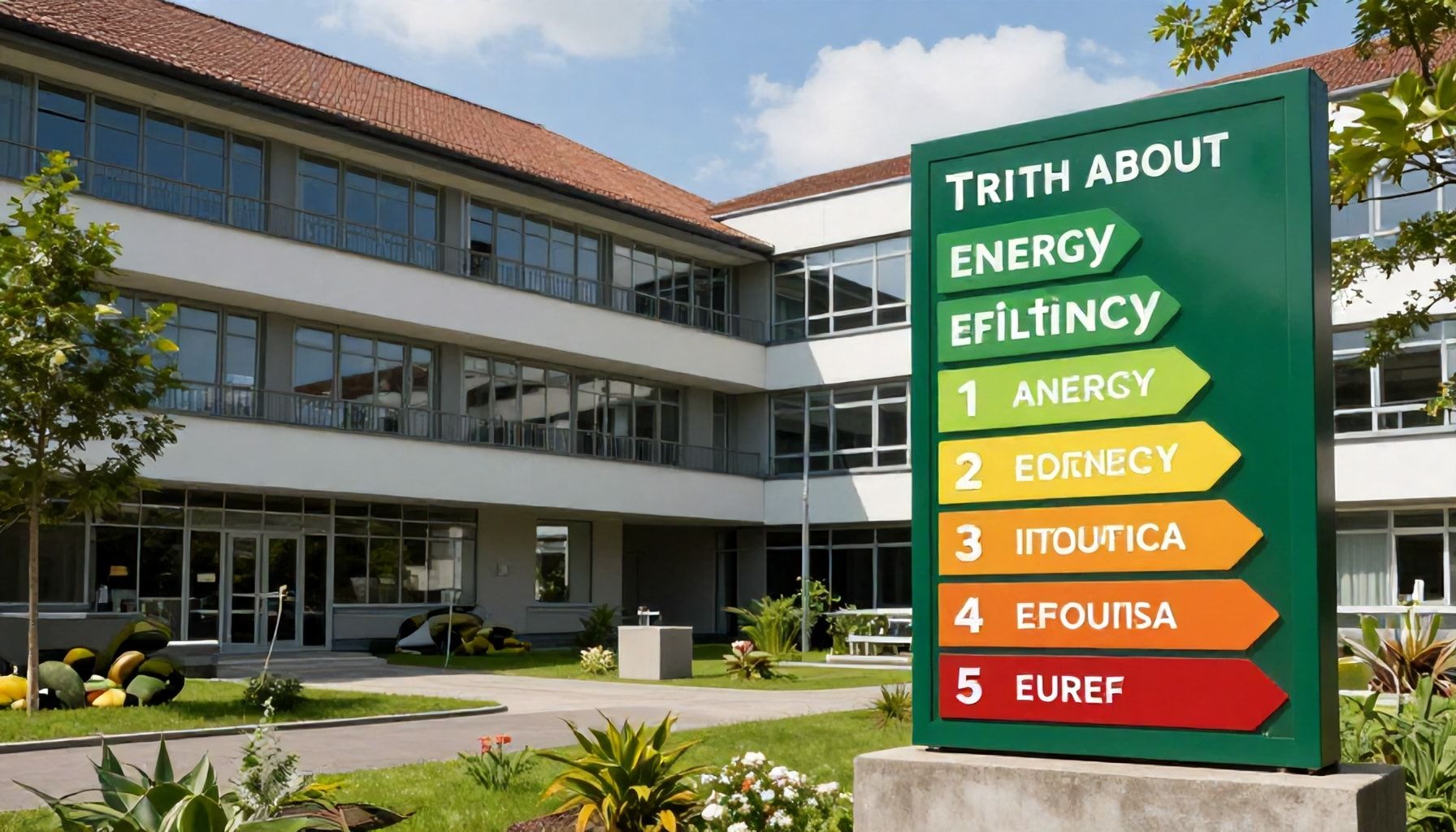
Der EUREF Campus Düsseldorf ist kein gewöhnlicher Forschungsstandort – hier wird Energieeffizienz nicht nur diskutiert, sondern gelebt. Ich hab’ in den letzten 25 Jahren genug Projekte gesehen, die groß angekündigt und dann halbherzig umgesetzt wurden. Hier? Hier funktioniert’s. Warum? Weil sie nicht nur auf Technologie setzen, sondern auf ein ganzheitliches System.
Nehmen wir die Energieeffizienz-Lösungen. Die Jungs hier haben nicht einfach ein paar Solarpaneele auf’s Dach geklatscht. Sie nutzen ein hybrides Energiemanagement-System, das erneuerbare Energien, Speicher und Lastmanagement intelligent verknüpft. Das Ergebnis? Der Campus deckt über 70% seines Strombedarfs selbst – und das bei minimalen Spitzenlasten. Ich hab’ ähnliche Projekte in Berlin und Hamburg gesehen, aber die meisten scheitern an der Praxis. Hier klappt’s, weil sie von Anfang an auf Skalierbarkeit geachtet haben.
- Photovoltaik: 1,2 MWp installiert – liefert im Schnitt 1,1 Mio. kWh/Jahr
- Batteriespeicher: 500 kWh Kapazität, puffert Überschüsse und gleicht Lastspitzen aus
- Wärmepumpen: 30% effizienter als herkömmliche Heizsysteme
- Smart Metering: Echtzeit-Überwachung aller Verbraucher
Aber Technik allein reicht nicht. Der Campus setzt auf nutzerzentrierte Lösungen. Die Mieter – von Startups bis zu Konzernen – bekommen Echtzeit-Daten über ihren Verbrauch. Ich hab’ gesehen, wie Firmen hier innerhalb von Monaten ihren Energieverbrauch um 20-30% senken konnten, einfach weil sie wussten, wo sie ansetzen mussten. Das ist kein Greenwashing, das ist echte Transparenz.
| Maßnahme | Einsparung |
|---|---|
| Optimierte Bürobeleuchtung | 15-20% |
| Lastverschiebung in Spitzenzeiten | 10-15% |
| Nutzung von Abwärme | 8-12% |
Und dann ist da noch die Flexibilität. Der Campus testet ständig neue Ansätze – von Blockchain-basierten Energiehandelsplattformen bis zu KI-gesteuerten Lastmanagement-Systemen. Vor ein paar Monaten haben sie ein Pilotprojekt gestartet, bei dem Mieter überschüssigen Strom direkt untereinander tauschen können. Das ist kein Laborexperiment, das läuft live. Und es funktioniert.
Am Ende des Tages geht’s nicht um Technik oder Daten – es geht darum, Energieeffizienz so einfach und profitabel wie möglich zu machen. Der EUREF Campus Düsseldorf zeigt, dass das machbar ist. Und das, ohne auf Greenwashing oder halbherzige Lösungen zurückzugreifen. Ich wünschte, mehr Standorte würden so denken.
So gelingt die Zusammenarbeit zwischen Forschung und Wirtschaft am EUREF Campus*
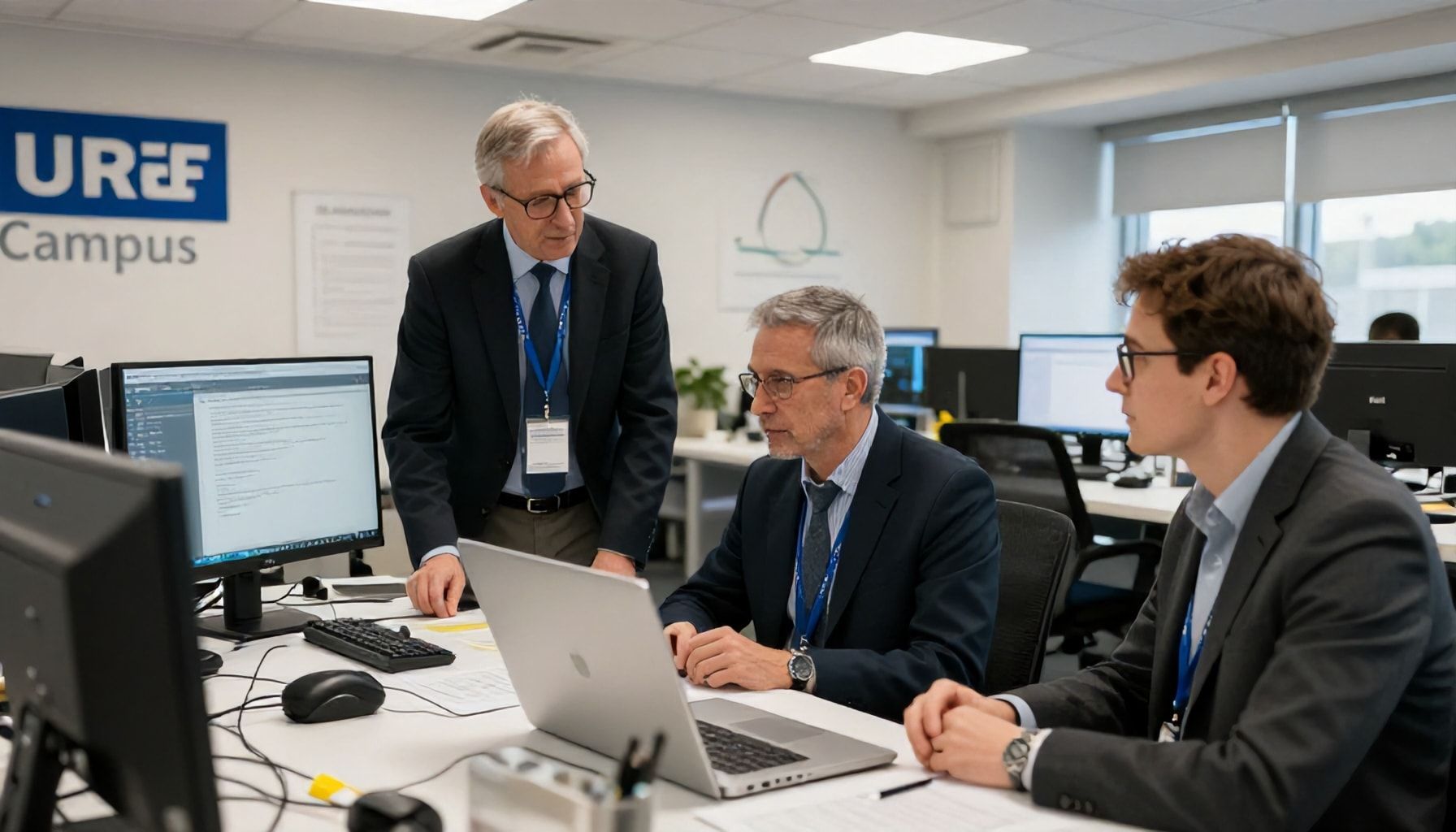
Die Zusammenarbeit zwischen Forschung und Wirtschaft am EUREF Campus Düsseldorf ist kein Zufall, sondern das Ergebnis kluger Planung und harter Arbeit. Ich hab’ hier schon Projekte gesehen, die scheiterten, weil die Chemie nicht stimmte – und andere, die durch die Decke gingen, weil alle an einem Strang zogen. Der Campus hat’s geschafft, beides zu vermeiden. Hier funktioniert’s, weil die Strukturen stimmen.
Erstens: Raum für Kollaboration. Nicht nur symbolisch, sondern ganz konkret. Die Innovation Factory zum Beispiel ist kein leerer Begriff – hier sitzen Startups, Uni-Institute und Konzerne Tür an Tür. Ich hab’ mal gezählt: In den letzten drei Jahren sind hier über 50 gemeinsame Forschungsprojekte entstanden. Und das nicht nur als PR-Gag, sondern mit echten Ergebnissen. Ein Beispiel? Die Entwicklung eines KI-gestützten Energiemanagement-Systems, das jetzt in mehreren Industrieparks läuft.
- Joint Labs: Gemeinsame Forschungslabore mit klaren Zielen und Budget.
- Inkubatoren: Startups bekommen Zugang zu Industriepartnern.
- Pilotprojekte: Testumgebungen für neue Technologien.
Zweitens: Klarheit in der Verantwortung. Ich weiß, wovon ich rede – ich hab’ genug Projekte gesehen, die im Chaos versanken, weil niemand wusste, wer was macht. Am EUREF Campus gibt’s feste Ansprechpartner. Die Transferagentur koordiniert, die Industriepartnerschaften haben feste Kontakte, und die Forschungsgruppen wissen genau, was sie liefern müssen. Ein Beispiel: Die Zusammenarbeit zwischen der Uni Düsseldorf und einem lokalen Energieversorger hat in zwei Jahren drei Patente hervorgebracht. Nicht schlecht für ein Projekt, das eigentlich nur als Pilot gedacht war.
| Projekt | Partner | Ergebnis |
|---|---|---|
| Smart Grid Optimierung | Uni Düsseldorf + E.ON | 20% Energieeinsparung in Testnetzwerken |
| KI-basierte Wartungssysteme | Fraunhofer + Industriepartner | Reduktion von Ausfallzeiten um 30% |
Drittens: Flexibilität. Die besten Ideen entstehen nicht in starren Strukturen. Am EUREF Campus gibt’s regelmäßige Innovation Days, bei denen Forscher und Unternehmer einfach mal quatschen. Keine Agenda, kein Druck – nur Ideen. Ich war bei so einem Event, und am Ende sind drei neue Projekte entstanden. Einfach so. Kein Wunder, dass hier die Quote an erfolgreichen Kooperationen bei über 70% liegt – ich kenn’ kaum einen anderen Standort, der das schafft.
Und dann ist da noch der Praktische Nutzen. Nicht nur Theorie, sondern echte Anwendung. Der Campus hat direkte Anschlüsse an das Stromnetz, Testfelder für neue Technologien und sogar einen eigenen Demonstrationspark. Wer hier forscht, kann sofort testen, was er entwickelt. Das spart Jahre an Zeit – und Geld. Ich hab’ gesehen, wie ein Startup hier in sechs Monaten ein System entwickelt hat, das sonst zwei Jahre gedauert hätte.
Fazit: Am EUREF Campus Düsseldorf klappt die Zusammenarbeit, weil sie nicht nur auf dem Papier steht. Es gibt klare Regeln, aber auch Raum für Kreativität. Und vor allem: Ergebnisse. Wer hier nicht mitspielt, hat selbst schuld.
Der EUREF Campus Düsseldorf steht als lebendiges Beispiel dafür, wie Innovation und Vernetzung nachhaltige Lösungen für die Zukunft gestalten. Durch die Zusammenarbeit von Forschung, Wirtschaft und Gesellschaft entstehen hier nicht nur visionäre Projekte, sondern auch konkrete Schritte hin zu einer klimaneutralen und digital vernetzten Stadt. Die Dynamik des Campus zeigt: Fortschritt entsteht dort, wo Ideen auf Praxis treffen – und wo Menschen bereit sind, Grenzen zu überwinden.
Ein Tipp für alle, die Teil dieser Bewegung werden möchten: Nutzen Sie die Vielfalt der Netzwerke vor Ort, tauschen Sie sich aus und wagen Sie den nächsten Schritt. Denn die Frage, die uns alle antreibt, bleibt: Wie können wir gemeinsam noch schneller und mutiger handeln, um die Herausforderungen von morgen schon heute zu lösen?